

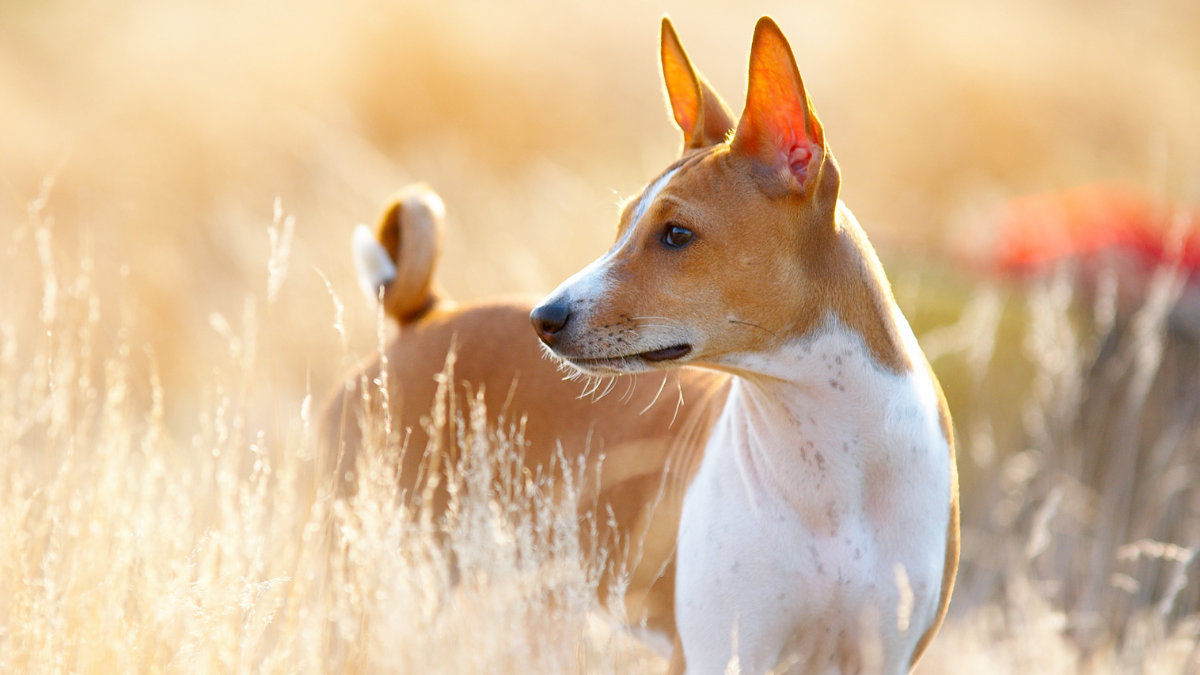
The Dog That Doesn’t Bark
The Basenji is one of the world’s oldest and most unique dog breeds, famous for its quiet nature and independent personality.
With a tightly curled tail, expressive wrinkled forehead, and graceful athletic build, the Basenji stands apart from other dogs. Rather than barking, they communicate with a distinctive yodel-like sound known as the “Basenji baroo,” making them one of the quietest canine companions.
They are not silent.
They simply speak differently.
1. An Ancient History
The Basenji originated in Central Africa, where they were bred to hunt alongside local communities for thousands of years.
Highly valued for their intelligence, speed, and keen senses, Basenjis worked independently while tracking game through dense forests. Ancient Egyptian artwork even depicts dogs believed to resemble the modern Basenji, highlighting the breed’s remarkable history.
Their heritage is one of partnership and survival.
2. Temperament: Intelligent, Curious, and Independent
Basenjis are often described as:
- Intelligent and observant
- Independent thinkers
- Curious and adventurous
- Loyal to their family
Unlike breeds that constantly seek approval, Basenjis enjoy making their own decisions. They form deep bonds with their families but often express affection on their own terms.
Respect earns their trust.
3. Exercise and Mental Stimulation Needs
Basenjis are energetic dogs that require both physical and mental enrichment.
Healthy routines include:
- Daily brisk walks
- Secure opportunities to run
- Puzzle toys
- Scent games
- Short, engaging training sessions
Because they were bred to hunt, they have a strong prey drive and may chase small animals if given the opportunity.
A secure fenced yard is highly recommended.
4. Grooming and Physical Care
One of the Basenji’s most appealing qualities is its naturally clean coat.
Routine care includes:
- Weekly brushing
- Regular nail trimming
- Dental care
- Routine ear cleaning
Basenjis groom themselves much like cats and have very little dog odor. Their short coat requires minimal maintenance throughout the year.
Simple care supports lasting health.
5. Training and Socialization
Although highly intelligent, Basenjis can be challenging to train because of their independent nature.
Successful training focuses on:
- Positive reinforcement
- Short, varied training sessions
- Early socialization
- Consistent boundaries
Harsh corrections are rarely effective. Building trust and keeping learning enjoyable produces the best results.
Patience creates partnership.
6. Is a Basenji the Right Fit?
A Basenji may thrive in a home that:
- Appreciates an independent companion
- Can provide daily exercise and enrichment
- Understands positive training methods
- Has a securely fenced outdoor space
They may not be ideal for first-time dog owners seeking a highly obedient or off-leash companion.
They do not follow automatically.
They choose thoughtfully.
Gentle Tools That Can Help
- Interactive Puzzle Toy – Keeps their intelligent mind engaged and reduces boredom.
- Long Training Lead – Allows safe exploration while practicing reliable recall.
- Durable Fetch Toy – Encourages healthy exercise and interactive play.
Internal Resources for Extra Support
- Daily Pet Care Checklist – Track exercise, enrichment, and daily routines for lifelong wellness.
Seasonal Shop Special
To support thoughtful care routines, we are offering a $3 voucher for any digital guide or supportive tool in our shop.
Use code BASENJI26 at checkout.
Valid through March 31, 2026.
Visit our Shop for breed support resources.
A Gentle Reflection
The Basenji reminds us that communication comes in many forms.
They may not bark to announce their presence, but they express themselves through movement, curiosity, and quiet companionship.
They observe before acting.
Think before responding.
Love with quiet loyalty.
For families who appreciate independence and intelligence, the Basenji offers a truly one-of-a-kind relationship.
Frequently Asked Questions
Do Basenjis really not bark?
Basenjis rarely bark like most dogs because of the unique structure of their larynx. Instead, they often produce a distinctive yodel-like sound known as the “Basenji baroo.”
Are Basenjis good family dogs?
Yes. They can be loyal and affectionate family companions, especially when well-socialized and given plenty of mental and physical stimulation.
Do Basenjis require a lot of exercise?
Yes. Despite their quiet nature, Basenjis are active dogs that need daily exercise and enrichment to stay physically and mentally healthy.
Disclaimer
This post is for informational purposes only and is not a substitute for professional veterinary or behavioral advice. Please consult qualified professionals regarding your dog’s health, training, or breed-specific needs.
Affiliate Disclosure
Some links in this post may be affiliate links, which means we may earn a small commission if you make a purchase. We only share products we trust to support thoughtful, relationship-centered care.