
The golden years bring a quieter pace of life.
As July temperatures rise, senior pets often feel the effects of heat more deeply than younger companions. Aging bodies work harder to regulate temperature, joints may become less comfortable, and even everyday activities can require more energy.
The good news is that comfort doesn’t require complicated routines.
A few thoughtful adjustments can help your senior companion enjoy a cooler, calmer, and more comfortable summer.
Senior pet summer care focuses on helping aging pets stay cool, hydrated, comfortable, and active without overexertion. Gentle movement, accessible water, supportive bedding, and careful observation can help older dogs and cats stay healthier during hot weather.
1. Help Your Senior Pet Stay Cool
Older pets regulate body temperature less efficiently than they once did.
Keep their favorite resting area cool by closing curtains during the hottest part of the day, improving airflow with fans, and providing access to shaded spaces throughout your home.
Comfort begins with the environment.
2. Support Aging Joints
Summer humidity can sometimes make joint stiffness more noticeable.
Encourage gentle movement during the cooler hours of the morning and provide supportive orthopedic bedding where your pet naturally rests.
Movement helps maintain mobility, but rest supports recovery.
3. Make Hydration Easier
Senior pets may drink less simply because getting up requires more effort.
Place water bowls near their favorite resting spots and refresh them throughout the day. Adding warm water or low-sodium bone broth to meals can also increase moisture intake naturally.
Hydration supports nearly every body system.
4. Use Gentle Cooling Techniques
Simple cooling methods often provide meaningful relief.
A cool, damp towel placed on the belly or paws can help lower body temperature comfortably. Cooling mats or tile floors also offer welcoming places to rest during warmer afternoons.
Small comforts make a lasting difference.
5. Watch for Quiet Changes
Senior pets don’t always communicate discomfort dramatically.
Watch for:
- Sleeping more than usual
- Moving more slowly
- Avoiding activity
- Panting longer after exercise
- Seeking cooler places to rest
Recognizing these subtle changes allows you to adjust their routine before discomfort increases.
6. Protect Their Rest
Recovery becomes even more important as pets age.
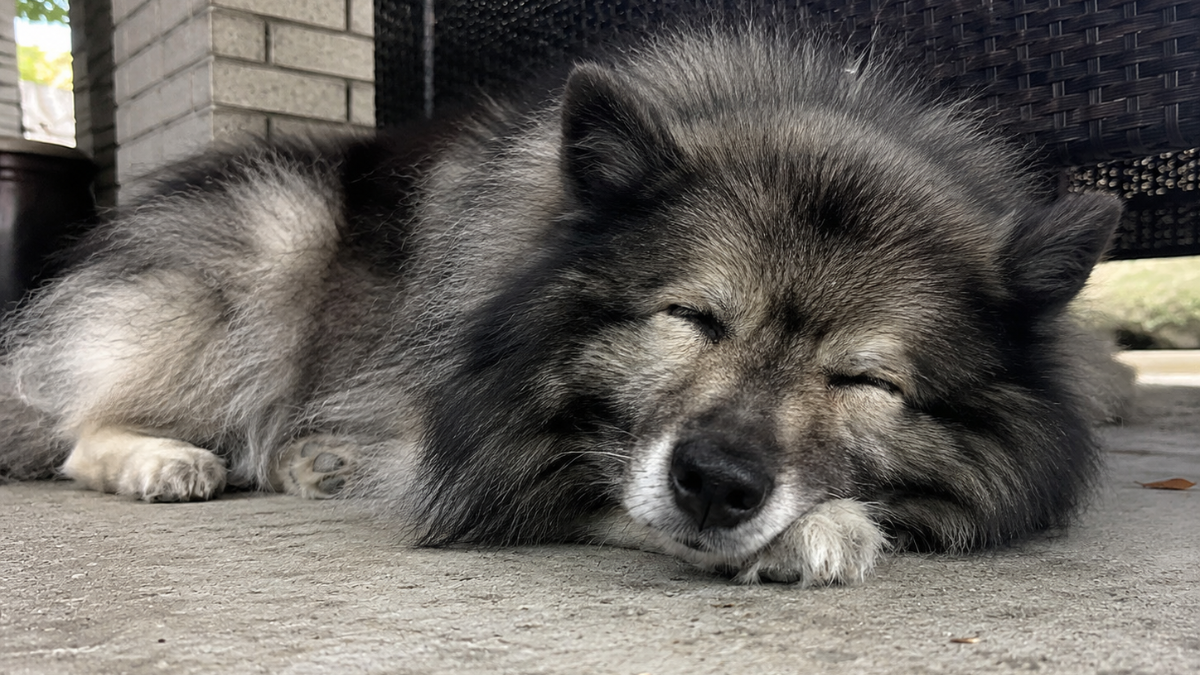
Create a quiet, undisturbed resting space where your pet can sleep comfortably throughout the day. Limiting unnecessary interruptions helps their body recover from both the heat and daily activity.
Quality rest supports quality of life.
Gentle Tools That Can Help
- Orthopedic cooling beds for joint support and temperature relief
- Low-entry water bowls for easier hydration
- Cooling mats for warm afternoons
- Non-slip rugs to improve confidence and stability indoors
Internal Resources
- Caring for Your Senior Pet Made Simple – Practical guidance for supporting aging companions every day
Seasonal Shop Support
To support your senior pet this summer, we’re offering a $3 savings on any of our digital guides and care tools.
Use code CAREJULY26 at checkout.
Valid through July 31, 2026.
Visit our Shop here
A Gentle Reflection
Growing older is not something to fear.
It is a season that invites slower mornings, gentler routines, and even deeper moments of connection.
Every thoughtful adjustment you make reminds your companion that they are still surrounded by the same love they’ve always known.
Join our email list for steady guidance and seasonal support throughout the year.
Frequently Asked Questions
Why does my senior pet seem more tired during summer?
Warm weather requires more energy to regulate body temperature, so many senior pets naturally rest more during hot days.
Should I shave my senior pet to help them stay cool?
Not usually. Regular brushing is generally more beneficial, as many coats naturally help regulate temperature.
How can I tell if my senior pet is getting too warm?
Watch for heavy panting, lethargy, excessive drooling, or reluctance to move. If symptoms become severe, contact your veterinarian immediately.
Disclaimer
This content is for informational purposes only and is not a substitute for veterinary advice.
Affiliate Disclosure
Some links may be affiliate links. We only share tools aligned with thoughtful care.