

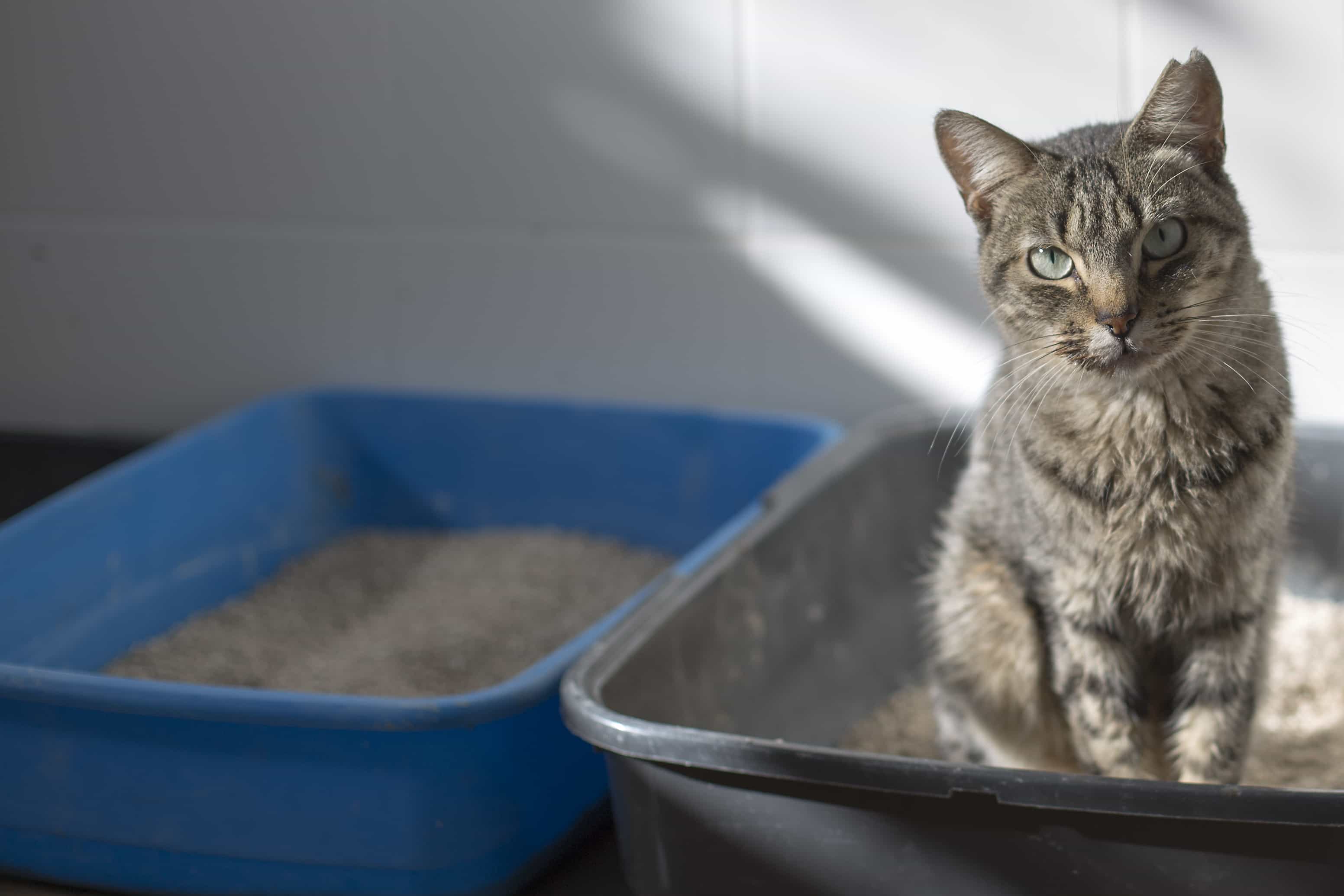
We at The Pet Concierge are enthusiastic cat lovers. Part of what makes cats so wonderful is their eccentricity and, even, their stubbornness. Cats have strong personalities, and sometimes their willfulness can take the form of extra-litterbox defecation and/or urination. The following are some tips that we’ve found helpful for getting cats to go where they’re supposed to. Not all inappropriate urination or defecation is a behavioral problem though. Medical issues will sometimes lead to the unwanted behavior, and so we always recommend contacting your veterinarian right away if you start noticing changes in urination/defecation. We’ll touch on possible medical problems at the end of the article.
Please Note: If you have a male cat who has not appeared to use the restroom for an extended period of time, is straining to urinate, and/or if said cat is exhibiting discomfort or pain, it is possible that they may have an obstructed (blocked) urinary tract. A urinary obstruction is a medical emergency (it can be fatal) and you should bring your cat in right away.
Keeping Litterboxes Sanitary: Inadequate cleanliness is often the chief reason for cats choosing not to use their litter. Cats’ sense of smell is actually 14 times stronger than ours and this makes them incredibly sensitive to stinky boxes.
To keep the stink away, we recommend always buying clumping litter—evidence says that your cat enjoys it just as much as you—and remember to scoop out poop and soiled patches daily. Litter should be dumped and the box cleaned weekly. To clean, we recommend using a good, nontoxic soap such as Dawn. Many cats will simply not use a litterbox that is too dirty or smelly, and cleaning can greatly increase their willingness to vacate where you want them to.
Here are some more tips to ensure that your cat has a positive litterbox experience:
1. If you find a setup that your cat likes, be wary of making changes. If you’ve been using a certain type of litter that your cat seems to approve of, it may be best to just stick with that same litter even if cheaper options become available. You can always test out new litter, but just be aware that this may make your cat go outside of the box.
2. The Plus-One Rule: If you have multiple cats, the common wisdom is that you should have a litterbox per cat plus one (so for three cats have four litter boxes). Cats are territorial about their litter and having too few boxes can be cause for bathroom problems.
3. Give them privacy: Don’t situate your litterboxes in wide open areas—cats like to have some privacy when going to the bathroom and they may resist using their litter if it is too exposed. This is especially important to think about if you have more than one cat and/or if your cats don’t get along.
4. Go big and go open: The bigger the better when it comes to litterboxes (obviously, think about what works for the amount of space in your household). Cats also prefer to have litters without lids or coverings.
5. This last one is more for you than your cat: you may want to think about purchasing a small trash bin that you can scoop soiled litter into during the week. This way, you won’t have to use a new bag each time you scoop soiled litter; instead, you can wait until the small can is filled and then empty that into your main garbage.
If you’ve implemented all of these fixes and your cat is still acting out, there may be either a more complex behavioral issue or a medical problem leading to their going outside of the box. Behavioral issues are often the result of significant environmental changes, such as a new cat or person moving into a cat’s space. They may be soiling the house as territorial act to let the newcomers know who’s boss. Sometimes, it just takes a bit of time for a cat to adjust to these types of changes. In other circumstances, your veterinarian or a behaviorist may need to provide guidance.
If there doesn’t seem to be any obvious environmental change, there may be a medical condition that is making it hard for them to regulate their bathroom usage. Some of the common illnesses that can provoke out of litter elimination are: bladder stones, bladder infections, kidney disease, and diabetes. If your cat is still going outside of their box and you’ve already taken steps to improve your cat’s litterbox set-up, you may want to bring them into a veterinarian and make sure there isn’t an underlying medical issue provoking your cat’s behavior.
Like we said at the top, cats are kind of a big deal for us at The Pet Concierge. We hope these tips aid you in making your cats as comfortable and litterbox-compliant as possible in your home.
Was this article helpful? For more great insights on how to take the best care of your pet, check out our free pet care tips!
Click Here for Access