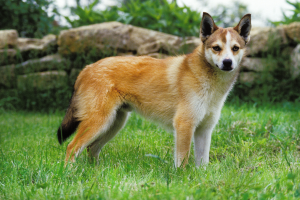

By mid-February, the novelty of snow may have worn thin, and both you and your pet might be feeling a bit ‘cooped up.’
Indoor pet enrichment during winter helps prevent boredom, reduce anxiety, and support mental stimulation for dogs and cats when outdoor activity is limited. Simple, low-stress activities like scent work with hidden treats or snuffle mats, puzzle feeders and muffin tin games at mealtime, DIY indoor agility using cushions and blankets, introducing safe new scents, gentle skill training, and window watching all engage natural instincts and build confidence. Even 15 to 20 minutes of daily mental exercise can tire a pet as effectively as physical activity, promoting calmer behavior and emotional balance. Using household items for enrichment makes it easy to create brain-boosting indoor games that keep pets happy, focused, and fulfilled throughout the winter months.
Mental exercise can be just as tiring (and rewarding) as a long run. Let’s explore some gentle ways to empower your pet’s mind right from the comfort of your living room.
1. The Magic of Scent Work
A pet’s nose is their primary way of seeing the world. Hiding small treats around the room or using a ‘snuffle mat’ encourages them to use their natural foraging instincts. It’s a low-impact activity that provides immense mental satisfaction.
2. Transforming Mealtime into a Game
Instead of a standard bowl, try using a puzzle feeder or even a muffin tin turned upside down. This slows down their eating and turns a basic routine into a problem-solving exercise that builds confidence.
3. Indoor Agility and Movement
You don’t need fancy equipment. A ‘tunnel’ made of blankets over chairs or a ‘pavement’ of cushions to walk across helps with proprioception (body awareness) and keeps their joints moving gently.
4. The Art of Novelty
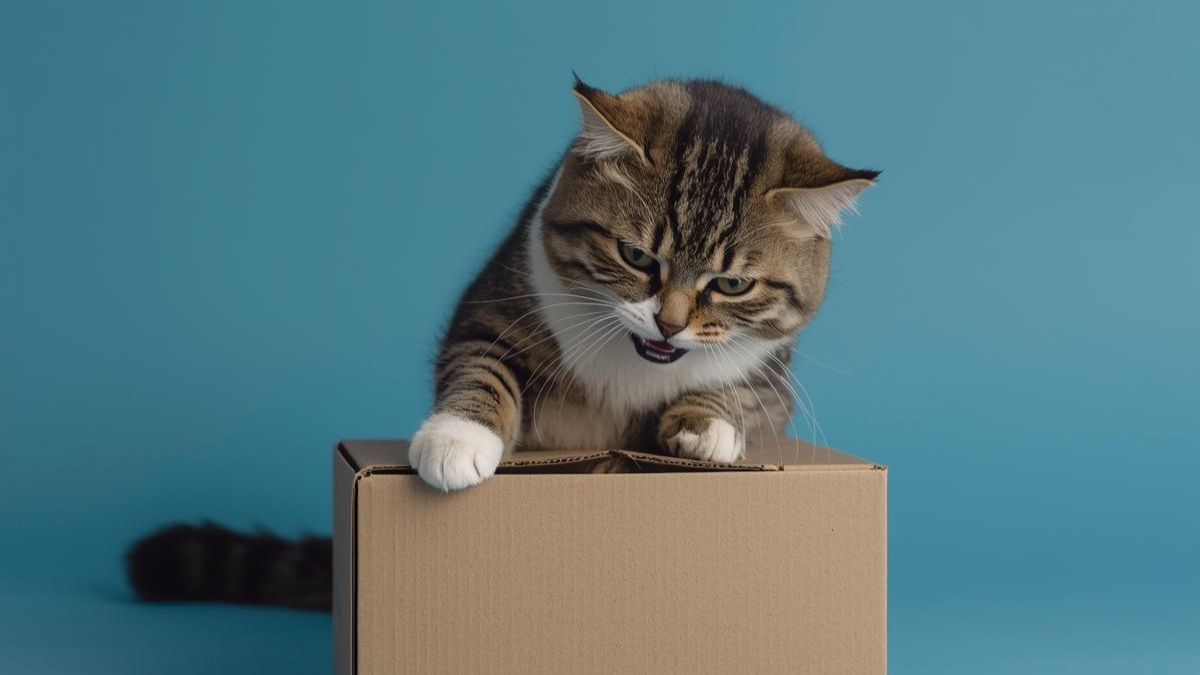
Sometimes, enrichment is as simple as a new smell. Bring in a pinecone from outside or a cardboard box from a recent delivery. Letting your pet safely investigate a new object stimulates their curiosity without requiring much space.
5. Learning a ‘Gentle’ New Skill
Winter is a great time for low-pressure training. Focus on ‘fun’ tricks like ‘touch’ (touching their nose to your hand) or ‘find it.’ These build the bond and keep their brain sharp through positive reinforcement.
6. Window Watching and Visual Enrichment
For cats especially, a ‘catio’ or a secure window perch with a bird feeder outside is like ‘Cat TV.’ For dogs, sitting together and watching the world go by can be a calm, bonding experience if they aren’t reactive to what they see.
7. Gentle Tools That Can Help
- Cotton Snuffle Mat — A soft, machine-washable fabric mat that hides dry food or treats to encourage natural foraging.
- Silicone Lick Pad — Can be spread with yogurt or peanut butter to provide a long-lasting, soothing activity.
- Natural Rubber Treat Dispenser — An unpredictable bouncing toy that releases snacks, keeping pets engaged and moving indoors.
8. Internal Resources for Extra Support
- Daily Pet Care Checklist — Keep track of medications, exercise, and dental care without the stress of forgetting. (Downloadable PDF)
9. Seasonal Shop Special
To support calmer routines this season, we’re offering a $3 off voucher for any of our digital guides or supportive tools in the shop.
Use code FEBCARE26 at checkout
Valid through February 28, 2026
Visit our Shop here
A Gentle Reflection
Caring for your pet is an act of love that creates calm and trust.
Join our email list for gentle reminders, care tips, and comforting stories all season long.
Frequently Asked Questions (FAQ)
Q1: How much enrichment does my pet need daily?
Even 15–20 minutes of dedicated mental stimulation can significantly reduce boredom and anxiety.
Q2: My pet gets frustrated with puzzle toys. What should I do?
Start very easily. Make it so they can see the treats and get them quickly, then gradually increase the difficulty as they gain confidence.
Q3: Can I use household items for enrichment?
Absolutely! Cardboard boxes, old muffin tins, and rolled-up towels make excellent, safe enrichment tools under supervision.
Disclaimer
This information is for educational purposes. If your pet’s behavior changes suddenly or drastically, please consult a professional veterinarian.
Affiliate Disclosure
This content features carefully selected tools that may earn us a commission, helping us continue to provide free care guides.