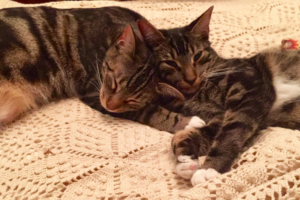


A sensitive, affectionate breed known for emotional connection and quiet devotion
The Cavalier King Charles Spaniel is a small, affectionate companion breed known for emotional sensitivity, gentle temperament, and deep attachment to their people. Historically bred as lap dogs for close human companionship, Cavaliers thrive in calm, predictable environments where connection and routine are prioritized over independence or high-intensity work. Cavalier King Charles Spaniel temperament is marked by warmth, adaptability, and responsiveness to positive reinforcement, making them well suited for apartments, condos, and family homes alike. Their care needs include moderate daily exercise, regular grooming of their silky coat, proactive dental and veterinary care, and enrichment that supports emotional security. For pet parents seeking a devoted, people-focused dog shaped by closeness rather than performance, the Cavalier offers steady companionship and a quiet, loyal presence.
The Cavalier King Charles Spaniel is a breed defined not by work or performance, but by companionship. With expressive eyes and a soft, people-focused nature, Cavaliers have spent centuries living closely alongside humans, offering comfort, warmth, and steady presence.
They are not dogs that thrive on independence. Instead, Cavaliers flourish in homes where connection, routine, and calm interaction are woven into daily life.
A History Rooted in Human Companionship
The Cavalier King Charles Spaniel traces its origins to the lap dogs favored by European nobility. Small spaniels were cherished for their gentle temperament and ability to remain close at hand. Over time, the breed was refined to emphasize affection, adaptability, and emotional sensitivity rather than hunting or guarding instincts.
This history still shapes the Cavalier today. They are happiest when included, nearby, and attuned to the rhythms of their household.
Temperament and Emotional Sensitivity
Cavaliers are known for being affectionate, gentle, and emotionally perceptive. They often form deep bonds with their people and may follow them quietly from room to room, content simply to be near.
Because of their sensitivity, Cavaliers respond best to calm handling, consistent routines, and positive reinforcement. Loud environments, harsh training, or frequent disruptions can be stressful. In supportive settings, however, they offer unwavering loyalty and warmth.
Living Environment and Lifestyle Fit
Cavalier King Charles Spaniels adapt well to a wide range of living environments. Their small size and moderate energy level make them suitable for apartments, condos, and family homes alike.
What matters most is not space, but companionship. Cavaliers tend to do best in homes where someone is present for much of the day, or where thoughtful routines help them feel secure when alone.
Exercise and Daily Rhythm
While Cavaliers enjoy daily walks and light play, their exercise needs are moderate. Short outings, gentle games, and opportunities to explore at an easy pace support both physical health and emotional balance.
They are often happiest with a predictable daily rhythm that includes movement, rest, and time together.
Grooming and Everyday Care
Cavaliers have a silky coat that benefits from regular brushing to prevent tangles and mats, especially around the ears and chest. Routine grooming sessions can also become a calming bonding ritual.
Balanced nutrition, dental care, and regular veterinary visits are important for long-term wellness. Cavaliers thrive when care is proactive and consistent rather than reactive.
Gentle Tools That Support Cavalier Care
A few thoughtful tools can help support a Cavalier’s comfort and sense of security.
- Soft, supportive beds for restful sleep
- Lightweight harnesses suited for small frames
- Enrichment toys that encourage calm engagement
These supports work best when paired with patience, predictability, and presence.
Internal Resources You May Find Helpful
If you are considering a calm, sensitive feline companion, these resources may support your journey.
- Adopting a Dog Made Simple – A supportive guide for choosing a dog whose needs align with your lifestyle.
- Daily Pet Care Checklist – Helps establish consistent routines and mindful observation.
- Choosing the Right Veterinarian Made Simple – Supports proactive care and confident communication.
A Gentle Reflection
Living with a Cavalier King Charles Spaniel is an invitation to slow down and appreciate the quiet moments. They remind us that companionship does not need to be loud to be meaningful, and that closeness can be a source of calm strength.
Curled beside their person or resting nearby, Cavaliers offer a steady presence that feels like home.
Frequently Asked Questions (FAQ)
Are Cavalier King Charles Spaniels good apartment or condo dogs?
Yes. Cavaliers are often well suited for apartment or condo living due to their small size and moderate exercise needs. They thrive in indoor environments where routines are predictable and companionship is consistent. Daily walks and gentle play are usually sufficient.
Are Cavalier King Charles Spaniels good family dogs?
Cavalier King Charles Spaniels are widely known for their affectionate and gentle nature. They often do well in family homes, including those with children, when interactions are calm and respectful. Their sensitivity makes them especially responsive to patient, kind handling.
Do Cavaliers need constant attention?
Cavaliers form strong bonds with their people and enjoy being close, but they do not need constant stimulation. They do best in homes where someone is around for much of the day or where routines and enrichment help them feel secure during alone time.
Are Cavalier King Charles Spaniels good for first-time dog owners?
Yes. Cavaliers are often a good fit for first-time dog owners who want a companion focused on connection rather than high-intensity activity. Their gentle temperament and adaptability make them approachable when care routines are consistent.
Disclaimer
This post is for informational purposes only and is not a substitute for veterinary advice. Please consult your veterinarian for personalized recommendations, especially if your pet’s mobility is significantly impaired.
Affiliate Disclosure
Some product links may be affiliate links. We may earn a small commission if you make a purchase, but we only share products we trust to support gentle, thoughtful care routines.