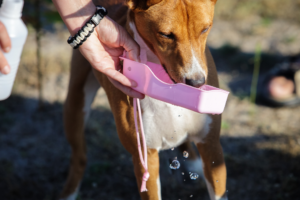


A healthy home can shape how your pet feels every single day.
As May encourages many of us to refresh our spaces, it’s also an opportunity to look at our homes through our pets’ eyes. The surfaces they rest on, the air they breathe, and the products we use around them all play a role in their long-term wellness.
The good news is… meaningful changes do not have to feel overwhelming.
A few thoughtful shifts can help create a calmer, cleaner, and more supportive environment for your companion.
A healthy home supports your pet’s comfort, health, and emotional well-being. Simple upgrades like safer cleaning products, clean water bowls, improved air quality, and refreshed resting spaces can create a healthier environment for dogs and cats.
1. Reevaluate Your Cleaning Products
Many traditional cleaners leave behind strong residues and fragrances that pets are exposed to daily.
Switching to plant-based or pet-safe cleaners can reduce irritation to paws, skin, and sensitive noses while still keeping your home clean.
Sometimes the gentlest options are also the safest.
2. Pay Attention to Indoor Air and Scents
Pets experience the world heavily through scent.
Strong candles, diffusers, and artificial fragrances may feel overwhelming in enclosed spaces. Fragrance-free products or naturally freshened air can create a calmer environment for sensitive pets.
Cleaner air supports both comfort and wellness.
3. Refresh Resting Spaces
Pet beds naturally collect dust, allergens, and moisture over time.
Deep cleaning resting areas and replacing flattened bedding can improve both comfort and joint support. A supportive resting space becomes especially important for aging pets.
Rest is part of wellness too.
4. Keep Water Bowls Truly Clean
Even clean-looking bowls can develop biofilm buildup.
Daily washing with warm water helps reduce bacteria and keeps hydration safer and fresher. Stainless steel and ceramic bowls are often easier to maintain than plastic alternatives.
Small routines protect long-term health.
5. Reduce Visual and Environmental Clutter
A more organized environment can create a greater sense of calm.
Keeping toys, medications, and supplies in dedicated spaces reduces stress for both you and your pet. Rotating toys can also keep enrichment interesting without constantly buying something new.
6. Bring Nature Indoors Safely
Indoor plants can brighten a space, but some are unsafe for pets.
Pet-friendly plants like spider plants, Boston ferns, and African violets allow you to create a calming indoor environment without unnecessary risk.
Always double-check plant safety before bringing new greenery home.
Gentle Tools That Can Help
- Pet-safe multi-surface cleaners for daily cleaning routines
- Water fountains to support hydration
- Orthopedic pet beds for better joint support
Internal Resources
- 5 Overlooked Care Needs That Help Pets Thrive – Practical ways to create a more supportive environment
- Everyday Pet Parent Essentials Bundle – Helpful tools for calm, consistent daily care
To support healthier home routines this season, we’re offering $3 off any of our digital guides and care tools.
Use code HOMEFRESH26 at checkout
Valid through May 31, 2026
A Gentle Reflection
Your pet experiences your home differently from you do.
The scents, textures, sounds, and routines around them shape how safe and comfortable they feel each day.
Small, intentional changes create a home that supports not just their health… but their sense of peace too.
Join our email list for steady guidance and seasonal support throughout the year.
Frequently Asked Questions
Are essential oils safe around pets?
Some essential oils can be harmful to dogs and cats. It’s best to avoid strong scents and always research pet safety first.
How often should I clean pet toys?
Soft toys should be washed every few weeks, while hard toys can be cleaned weekly with warm water and mild soap.
What are safe indoor plants for pets?
Spider plants, Boston ferns, Areca palms, and African violets are commonly considered pet-safe.
Disclaimer
This content is for informational purposes only and is not a substitute for veterinary advice.
Affiliate Disclosure
Some links may be affiliate links. We only share tools aligned with thoughtful care.