

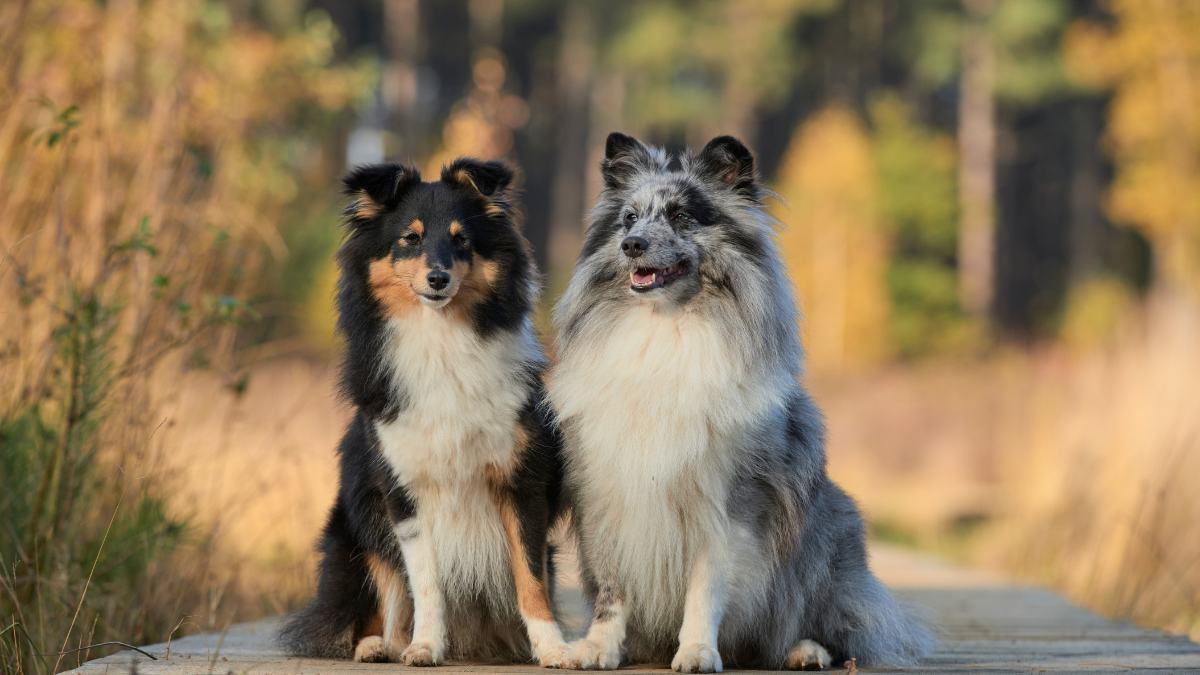
Grace, Intelligence, and Quiet Devotion
The Shetland Sheepdog, often called the Sheltie, is known for its intelligence, sensitivity, and strong connection to family.
With their flowing coat, alert expression, and graceful movement, Shelties are often admired for their beauty. Beneath that elegant appearance is a deeply perceptive working dog who thrives on structure, communication, and closeness.
They are not simply obedient.
They are attentive.
1. A Heritage Built Around Herding
The Shetland Sheepdog originated in the rugged Shetland Islands of Scotland, where they were bred to herd sheep and protect farmland.
Their smaller size allowed them to move efficiently across difficult terrain while remaining agile and responsive. Over time, they became valued not only for their working ability but also for their loyalty and trainability.
Their history is rooted in cooperation.
2. Temperament: Intelligent, Sensitive, and Loyal
Shelties are often described as:
- Highly intelligent
- Deeply loyal
- Emotionally sensitive
- Alert and observant
They bond closely with their families and often tune into emotional shifts within the home. Because of this sensitivity, they respond best to calm, consistent guidance rather than harsh correction.
Gentle communication builds confidence.
3. Exercise and Mental Stimulation Needs
Shetland Sheepdogs require both physical activity and mental engagement.
Daily enrichment may include:
Structured walks
Obedience or trick training
Agility activities
Puzzle toys
Herding-style games
Without adequate stimulation, they may become vocal, anxious, or overly reactive to movement and sound.
A busy mind needs direction.
4. Grooming and Coat Care
The Sheltie’s beautiful double coat requires regular maintenance.
Routine care includes:
Brushing several times per week
Extra grooming during shedding seasons
Routine ear checks
Nail trimming
Their thick coat helps regulate temperature but can mat if neglected.
Consistency keeps grooming manageable and comfortable.
5. Is a Sheltie the Right Fit?
A Sheltie may thrive in a home that:
- Enjoys training and interactive engagement
- Appreciates a sensitive, responsive companion
- Can maintain regular grooming routines
- Values structure and predictability
They may not be ideal for households with constant chaos or minimal time for interaction.
They do not simply exist beside you.
>They pay attention to you.
Gentle Tools That Can Help
- Undercoat Grooming Brush – Helps maintain their thick double coat and manage seasonal shedding.
- Interactive Puzzle Toy – Supports mental stimulation and reduces boredom.
Internal Resources for Extra Support
- Daily Pet Care Checklist: Simple Routines to Support Your Pet’s Health and Happiness – A simple daily checklist to help you care for your pet with consistency, clarity, and confidence.
- Nutrition for Your Dog Made Simple: What Every Dog Parent Should Know – A simple guide to help you choose the right nutrition for your dog with clarity and confidence.
Seasonal Shop Special
To support steady, thoughtful care routines, we are offering a $3 voucher for any digital guide or supportive tool in the shop.
Use code SHELTIE26 at checkout.
Valid through June 30, 2026.
Visit our Shop for breed support resources.
A Gentle Reflection
The Sheltie offers more than beauty.
They bring awareness, responsiveness, and quiet devotion into everyday life.
They notice routines.
Watch expressions.
Respond thoughtfully.
For homes that value connection and communication, the Shetland Sheepdog becomes a deeply rewarding companion.
Frequently Asked Questions
Are Shelties good family dogs?
Yes. Their loyal and gentle temperament often makes them excellent companions for families when properly socialized.
Do Shelties bark a lot?
They can be vocal due to their alert herding instincts, especially without sufficient mental stimulation.
How much grooming does a Sheltie need?
Their thick double coat requires regular brushing several times per week, especially during shedding seasons.
Disclaimer
This post is for informational purposes only and is not a substitute for professional veterinary or behavioral advice. Consult a qualified professional for guidance on grooming, training, and breed-specific care.
Affiliate Disclosure
Some links in this post may be affiliate links, which means we may earn a small commission if you make a purchase. We only share products we trust to support thoughtful, relationship-centered care.