
A Wild Look With a Social Heart
The Sokoke is a rare, naturally developed cat breed known for its striking patterned coat, athletic build, and lively personality.
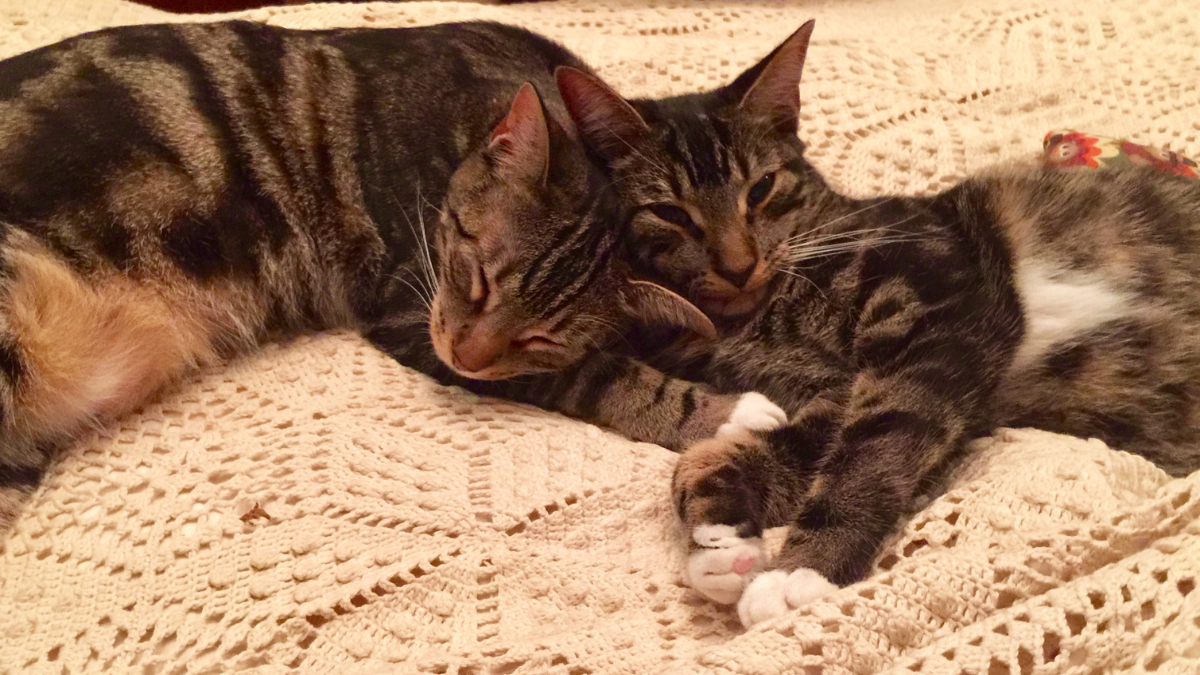
Originating in coastal Kenya, the Sokoke has an unmistakably wild appearance. Its short coat features a distinctive modified tabby pattern that can resemble tree bark, while its long legs and lean body give it an agile, graceful presence.
But despite its exotic looks, the Sokoke is a domestic cat with a curious, social nature.
They look like they belong in the forest.
At home, they want to be part of the family.
1. A Natural Heritage from Kenya
The Sokoke’s story begins in the Arabuko-Sokoke Forest region of coastal Kenya.
Cats with the breed’s distinctive appearance were found living around the region before a breeding program began in the late 20th century. Unlike many modern breeds created by deliberately crossing established cats, the Sokoke developed naturally from local domestic cat populations.
The breed was later introduced to Europe, particularly Denmark, where breeding programs helped establish and preserve it.
Today, the Sokoke remains relatively rare outside dedicated breeding communities.
Its history is rooted in place, adaptation, and natural development.
2. Temperament: Curious, Social, and Energetic
Sokokes are often described as:
- Intelligent and inquisitive
- Active and athletic
- Social with their families
- Confident and playful
These cats often enjoy being involved in household activity. Rather than spending the entire day curled up in one place, many Sokokes prefer exploring, climbing, playing, and observing what their people are doing.
They can form close bonds without necessarily behaving like traditional lap cats.
Their affection often comes through participation.
3. Exercise and Environmental Enrichment
The Sokoke’s athletic build reflects a cat that enjoys movement.
Daily enrichment can include:
- Tall cat trees and climbing shelves
- Interactive wand toys
- Puzzle feeders
- Treat-based training games
- Safe window perches and observation areas
Rotating toys and introducing new challenges can help keep their environment interesting.
A Sokoke does not need endless entertainment, but they do need opportunities to think, climb, chase, and explore.
Give their curiosity somewhere productive to go.
4. Grooming and Coat Care
The Sokoke’s short, close-lying coat is relatively easy to maintain.
Routine care may include:
- Weekly gentle brushing
- Regular nail trimming
- Routine ear checks
- Dental care
- Skin and coat monitoring
Because their coat is short and does not require elaborate grooming, maintaining it can become a simple part of the weekly routine.
Their distinctive pattern does most of the visual work.
5. Health and Wellness Considerations
Because the Sokoke is uncommon, there is less extensive breed-specific health data available than for more established breeds.
That makes routine preventive care especially important.
Supportive wellness habits include:
- Regular veterinary examinations
- Balanced, age-appropriate nutrition
- Healthy weight management
- Routine dental care
- Monitoring changes in appetite, behavior, coat, or activity
Prospective pet parents should also work with responsible breeders or reputable rescue organizations that can provide as much health and lineage information as possible.
Thoughtful observation is part of lifelong care.
6. Is a Sokoke the Right Fit?
A Sokoke may thrive in a home that:
- Enjoys an active and curious feline companion
- Can provide climbing and enrichment opportunities
- Wants a social cat without expecting constant lap time
- Appreciates an uncommon breed with a fascinating natural history
They may be less suited to households looking for an especially sedentary cat or one content with very little interaction and environmental stimulation.
They bring movement into the home.
And plenty of personality with it.
Gentle Tools That Can Help
- Multi-Level Cat Tree – Provides vertical territory for climbing, observing, and resting.
- Interactive Wand Toy – Encourages chasing, jumping, and other natural predatory behaviors.
- Puzzle Feeder – Turns treats or meals into an engaging mental challenge.
Internal Resources for Extra Support
- Daily Pet Care Checklist – Track exercise, nutrition, and wellness routines with confidence.
Seasonal Shop Special
To support thoughtful care routines, we are offering a $3 voucher for any digital guide or supportive tool in our shop.
Use code SOKOKE26 at checkout.
Valid through September 30, 2026.
Visit our Shop for thoughtful pet care resources.
A Gentle Reflection
The Azawakh reminds us that loyalty does not need to be loud.
It is found in quiet companionship.
Steady trust.
And the willingness to stand faithfully beside the people they love.
Their graceful appearance often captures attention.
Their quiet devotion is what captures hearts.
A Gentle Reflection
The Sokoke reminds us that extraordinary does not always need to be created.
Sometimes it develops naturally.
Their unusual coat reflects the landscape connected to their history, while their curiosity and athleticism bring energy into everyday life.
They climb.
>They investigate.
>They stay involved.
For someone who enjoys an intelligent, active cat with an uncommon story, the Sokoke can be a fascinating companion.
Frequently Asked Questions
Where does the Sokoke cat come from?
The breed traces its history to the coastal region of Kenya associated with the Arabuko-Sokoke Forest. It developed from local domestic cat populations before organized breeding programs helped establish the modern breed.
Are Sokoke cats wild cats?
No. Their unusual coat and athletic appearance may look wild, but Sokokes are domestic cats.
Are Sokoke cats good family pets?
They can be wonderful companions for households that appreciate an active, intelligent, and social cat and can provide plenty of appropriate enrichment.
Disclaimer
This post is for informational purposes only and is not a substitute for professional veterinary advice. Please consult a qualified veterinarian regarding your cat’s individual health, nutrition, or care needs.
Affiliate Disclosure
Some links in this post may be affiliate links, which means we may earn a small commission if you make a purchase. We only share products we trust to support thoughtful, relationship-centered care.