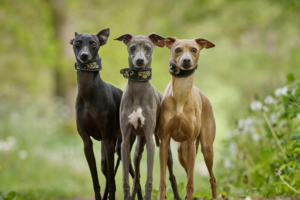


A Powerful Presence With a Loyal Heart
The Rhodesian Ridgeback is an athletic, intelligent, and independent dog breed known for its distinctive ridge of backward-growing hair, courageous history, and deep devotion to its family.
With a muscular build, dignified expression, and confident presence, the Rhodesian Ridgeback is a breed that naturally attracts attention.
But there is much more to this remarkable dog than its appearance.
Originally developed in southern Africa, the Ridgeback combines endurance, independence, and strong hunting instincts with a calm, affectionate side that often emerges around trusted family members.
They are powerful without needing constant attention.
Independent without being disconnected.
And deeply loyal to the people who earn their trust.
For families who understand their strength, intelligence, and need for thoughtful guidance, the Rhodesian Ridgeback can become an extraordinary companion.
1. A Remarkable Heritage From Southern Africa
The Rhodesian Ridgeback has its roots in southern Africa, where European settlers crossed imported hunting dogs with local dogs, including ridged dogs associated with the Khoikhoi people.
These early dogs were valued for their endurance, resilience, hunting abilities, and capacity to work in challenging environments.
Over time, selective breeding helped establish the Rhodesian Ridgeback as a versatile hunting and companion dog.
The breed became particularly associated with tracking and holding large game at bay, including lions, until hunters arrived.
This history contributed to the breed’s well-known nickname, the African Lion Hound.
However, Ridgebacks were not bred to attack or kill lions independently.
Their role required agility, confidence, endurance, and the ability to avoid danger while working with other dogs.
The breed was formally developed in the region historically known as Rhodesia, now Zimbabwe, with important contributions from breeding programs in southern Africa.
Today, the Rhodesian Ridgeback is appreciated both for its remarkable working heritage and its devoted companionship.
Their history helps explain why they are so athletic, observant, and independent.
2. Temperament: Loyal, Confident, and Independent
Rhodesian Ridgebacks are often described as:
- Loyal and devoted to family
- Intelligent and independent
- Confident and composed
- Athletic and energetic
- Reserved around unfamiliar people
- Strong-willed and observant
Many Ridgebacks form deep attachments to their families while maintaining a naturally dignified personality.
Unlike some breeds that enthusiastically greet everyone they meet, a Ridgeback may prefer to observe new people and situations before deciding how to respond.
This reserved nature should not automatically be mistaken for aggression.
However, appropriate socialization is essential to help them develop confidence and good judgment.
Their independent thinking can also make training more challenging for inexperienced owners.
A Ridgeback may understand a command but still need motivation and consistency to respond reliably.
They are not always eager to perform simply for the sake of repetition.
They respond best when communication is clear, respectful, and rewarding.
Their loyalty can be remarkable.
But it grows strongest through trust.
3. Exercise and Mental Stimulation Needs
The Rhodesian Ridgeback is an athletic breed developed for endurance and demanding outdoor work.
Healthy adult Ridgebacks generally need consistent daily exercise combined with opportunities for mental engagement.
Appropriate activities may include:
- Brisk daily walks
- Hiking
- Running with an appropriately conditioned adult dog
- Scent games
- Tracking activities
- Interactive puzzle toys
- Structured training sessions
- Supervised play in secure spaces
Because of their hunting heritage, many Ridgebacks have a strong prey drive.
They may become intensely interested in moving animals, including squirrels, rabbits, or neighborhood cats.
Secure fencing, responsible leash handling, and consistent recall training are important.
Even a well-trained Ridgeback should not automatically be trusted off-leash in an unsecured environment.
Their physical exercise should also be balanced with mental stimulation.
Scent-based activities can be especially rewarding because they allow the dog to investigate and use natural instincts in a controlled setting.
For this breed, a fulfilling routine combines movement, exploration, and purposeful engagement.
4. Grooming and That Famous Ridge
The Rhodesian Ridgeback has a short, dense, and relatively low-maintenance coat.
Its most distinctive physical feature is the ridge of hair running along its back.
This ridge grows in the opposite direction from the surrounding coat and is typically defined by two symmetrical crowns near the shoulders.
The ridge is a characteristic inherited trait associated with the breed’s identity.
However, not every Rhodesian Ridgeback is born with a ridge.
Ridgeless dogs can occur, and the absence of a ridge does not make an individual dog less deserving of care or companionship.
Routine grooming may include:
- Weekly brushing
- Bathing as needed
- Regular nail trimming
- Ear checks
- Dental care
- Skin and paw inspections after outdoor activity
Their short coat makes everyday grooming relatively straightforward.
However, Ridgebacks can still shed, and their skin should be monitored for irritation or other changes.
Because their coat offers less insulation than that of heavily coated breeds, additional protection may be appropriate during prolonged exposure to cold weather.
Their appearance may be distinctive.
But their comfort should always come first.
5. Training and Socialization
The Rhodesian Ridgeback is intelligent and capable of learning, but its independent personality requires patience and consistency.
Training should begin early and continue throughout life.
Effective approaches generally include:
- Positive reinforcement
- Clear household expectations
- Short, engaging training sessions
- Early socialization
- Reliable leash manners
- Recall practice
- Impulse-control exercises
- Calm introductions to new experiences
Because Ridgebacks are large, powerful dogs, teaching polite behavior while they are young is especially important.
A playful puppy jumping toward someone may seem harmless.
The same behavior from a fully grown adult can be difficult to manage.
Early training should focus on developing cooperation, confidence, and self-control.
Socialization should also emphasize calm exposure rather than forcing interactions.
A Ridgeback does not need to enthusiastically greet every stranger.
Learning to remain comfortable and composed around unfamiliar people and animals is a valuable goal.
Harsh punishment can damage trust and may create additional behavioral challenges.
For this independent breed, partnership is more productive than confrontation.
6. Health and Wellness Considerations
The Rhodesian Ridgeback is generally a robust and athletic breed, but several health considerations deserve attention.
Potential concerns include:
- Hip dysplasia
- Elbow dysplasia
- Certain inherited eye conditions
- Thyroid disorders
- Dermoid sinus
- Gastric dilatation-volvulus, commonly called bloat
Dermoid sinus is an important breed-specific concern.
It is a congenital condition involving an abnormal tract in the skin that may extend into deeper tissues. It can occur in ridged and ridgeless Ridgebacks and requires veterinary evaluation.
Prospective owners should ask responsible breeders about relevant health screening and how puppies are examined for congenital conditions.
Because Ridgebacks are large, deep-chested dogs, families should also understand the warning signs of bloat, a potentially life-threatening emergency.
Everyday wellness should include:
- Routine veterinary examinations
- Balanced, age-appropriate nutrition
- Healthy weight management
- Appropriate exercise and conditioning
- Joint and mobility monitoring
- Dental care
- Regular skin and coat checks
Responsible ownership means paying attention to both the breed’s strengths and its potential vulnerabilities.
A powerful dog still benefits from gentle, proactive care.
7. Is a Rhodesian Ridgeback the Right Fit?
A Rhodesian Ridgeback may thrive in a home that:
- Has experience with large, independent dogs
- Can provide consistent daily exercise
- Enjoys positive, structured training
- Understands strong prey-drive behaviors
- Can provide secure boundaries
- Appreciates a loyal but sometimes reserved companion
- Is prepared for the responsibilities of a powerful adult dog
Ridgebacks can be affectionate family companions, but their size, strength, and independence require thoughtful management.
Interactions with young children should always be supervised.
Their hunting instincts also mean introductions to smaller household animals should be handled carefully, with individual temperament and safety in mind.
The breed may not be the best choice for someone seeking an easily managed, highly obedient dog that requires minimal training.
A Ridgeback needs more than affection.
They need guidance, exercise, boundaries, and a relationship built on mutual trust.
For the right household, that commitment can lead to a deeply rewarding companionship.
Gentle Tools That Can Help
- Sturdy, Well-Fitted Walking Harness – Supports controlled daily walks and comfortable outdoor exploration when properly fitted to the dog’s body.
- Interactive Puzzle Toy – Provides mental enrichment and encourages problem-solving during quieter periods at home.
- Long Training Lead – Allows controlled recall practice and scent-based exploration in appropriate environments while maintaining a secure connection.
Internal Resources
- Daily Pet Care Checklist: Simple Routines to Support Your Pet’s Health and Happiness – Simple routines for keeping everyday wellness needs organized through seasonal changes.
Seasonal Shop Support
Thoughtful care begins with understanding your dog’s individual needs.
Explore our collection of pet care guides and supportive tools designed to help families create balanced routines for exercise, training, enrichment, and everyday wellness.
Use code RIDGEBACK26 at checkout.
Valid through November 31, 2026.
Visit our Shop here
A Gentle Reflection
The Rhodesian Ridgeback carries a remarkable history.
Generations of endurance.
Independent thinking.
And the courage to work in demanding environments.
But beyond that history is a dog that deserves to be understood as an individual.
Their strength does not mean they need harshness.
Their independence does not mean they cannot form deep bonds.
And their confidence does not remove their need for patience and compassion.
Give them room to explore.
Give them guidance they can trust.
And give them a home where their powerful instincts are understood rather than misunderstood.
Because the most meaningful partnership with a Ridgeback is not built on control.
It is built on respect.
Join our email list for steady guidance and seasonal support throughout the year.
Frequently Asked Questions
Are Rhodesian Ridgebacks good family dogs?
Rhodesian Ridgebacks can be loyal and affectionate family companions when properly socialized and trained. However, their size, strength, independence, and prey drive make them better suited to households prepared for consistent management and supervision.
Why do Rhodesian Ridgebacks have a ridge on their backs?
The ridge is an inherited physical trait that causes a strip of hair along the back to grow in the opposite direction from the surrounding coat. It is one of the breed’s defining characteristics.
Do Rhodesian Ridgebacks need a lot of exercise?
Yes. Healthy adult Ridgebacks generally need regular physical exercise and mental stimulation. Their athletic heritage makes activities such as walking, hiking, tracking, and scent games especially appropriate.
Are Rhodesian Ridgebacks easy to train?
They are intelligent and capable learners, but their independent nature can make training challenging. Positive reinforcement, patience, clear expectations, and consistent practice are particularly important.
Disclaimer
This post is for informational purposes only and is not a substitute for professional veterinary or behavioral advice. Please consult qualified professionals regarding your dog’s individual health, nutrition, exercise, training, and breed-specific needs.
Affiliate Disclosure
Some links in this post may be affiliate links, which means we may earn a small commission if you make a purchase, at no additional cost to you. We only recommend products and resources that align with our commitment to thoughtful, compassionate pet care.