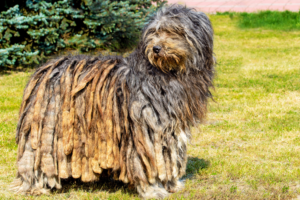


A Little Dog With a Big Heart
The Havanese is a small, affectionate companion breed known for its silky coat, cheerful personality, and remarkable devotion to its people.
With expressive eyes, a lively step, and a soft, flowing coat, the Havanese has a way of bringing warmth into almost any room.
But there is more to this charming little dog than its beautiful appearance.
The Havanese is intelligent, adaptable, and naturally social. Whether joining a family activity, learning a new trick, or curling up beside a favorite person, this breed tends to find happiness in simply being included.
They may be small enough to carry.
But their love for companionship is anything but little.
1. A Beloved Companion From Cuba
The Havanese is the national dog of Cuba and the only native Cuban dog breed recognized by major international kennel organizations.
Its ancestry traces back to small companion dogs brought to Cuba by European settlers, particularly dogs belonging to the Bichon family.
Over generations, these dogs developed into the Havanese, becoming cherished companions in Cuban households.
The breed takes its name from Havana, Cuba’s capital.
During the political upheaval of the 20th century, some Cuban families brought their Havanese dogs to the United States. These dogs helped establish the foundation for the breed’s modern population outside Cuba.
Today, the Havanese remains a beloved companion, admired for its affectionate nature and lively personality.
Their history was not shaped by hunting or guarding.
It was shaped by companionship.
2. Temperament: Affectionate, Cheerful, and Social
Havanese dogs are often described as:
- Affectionate and devoted
- Friendly and sociable
- Playful and entertaining
- Intelligent and responsive
- Gentle and adaptable
Many Havanese enjoy staying close to their families, often following their favorite people from room to room.
Their cheerful personalities can make them engaging companions for families, individuals, and older adults.
They are also known for their playful sense of humor.
A Havanese may turn an ordinary toy into a game, perform a newly learned trick with enthusiasm, or find a comfortable spot where they can watch everything happening around them.
However, their strong attachment to people also means some may struggle with being left alone for extended periods.
Companionship is not simply something they enjoy.
It is an important part of their emotional well-being.
3. Exercise and Mental Stimulation Needs
Although the Havanese is a small companion breed, it still benefits from daily physical activity and mental enrichment.
Most healthy adults do not require the intense exercise routines of larger sporting or working breeds.
Instead, they often thrive with a balanced combination of movement, play, and interaction.
Activities may include:
- Daily neighborhood walks
- Indoor fetch games
- Interactive puzzle toys
- Short training sessions
- Gentle agility activities
- Hide-and-seek games
- Supervised outdoor exploration
Because the Havanese is intelligent and enjoys interacting with people, training games can be particularly rewarding.
Teaching a new trick or hiding a favorite toy can provide meaningful mental stimulation without requiring a large outdoor space.
Their small size makes them adaptable to apartment living, provided their exercise, enrichment, and companionship needs are met.
A happy Havanese does not necessarily need endless space.
They need opportunities to move, learn, and connect.
4. Grooming That Beautiful Silky Coat
One of the Havanese’s most recognizable features is its long, soft coat.
Unlike many breeds with dense, harsh fur, the Havanese has a silky coat that may be straight, wavy, or softly curled.
The coat comes in many colors and combinations.
Although Havanese dogs tend to shed relatively little, their coat requires consistent maintenance to prevent tangles and matting.
Routine grooming may include:
- Daily or frequent brushing for longer coats
- Gentle combing to remove developing tangles
- Regular bathing and thorough drying
- Professional trimming when appropriate
- Nail trimming
- Ear checks
- Routine dental care
Some families choose to maintain a shorter puppy-style trim to make everyday grooming more manageable.
However, even shorter coats require regular attention.
Pay particular attention to areas where friction occurs, including behind the ears, beneath the legs, and around the collar.
Their beautiful coat is part of their charm.
Keeping the skin underneath healthy and comfortable is what matters most.
5. Training and Socialization
The Havanese is an intelligent breed that often responds enthusiastically to positive reinforcement.
Their people-oriented personality can make training enjoyable, particularly when sessions feel like interactive games.
Successful training may include:
- Reward-based learning
- Short, engaging sessions
- Consistent household expectations
- Early socialization
- Gentle leash training
- Gradual independence-building exercises
Havanese dogs can be sensitive to harsh handling, making patience and encouragement especially important.
Because they enjoy being near their people, teaching them to feel comfortable during short periods of separation can also be valuable.
Begin with manageable intervals and gradually build confidence.
Early socialization should include positive exposure to different people, sounds, environments, and everyday experiences.
The goal is not simply to teach commands.
It is to help a naturally social dog become a confident and well-adjusted companion.
6. Health and Wellness Considerations
The Havanese is generally a sturdy small breed, but like all dogs, it can be predisposed to certain inherited health conditions.
Responsible breeding and preventive veterinary care are important.
Health concerns that may occur in the breed include:
- Patellar luxation, which affects kneecap stability
- Certain inherited eye conditions
- Hip disorders
- Some cardiac conditions
- Dental disease, which is common among small dogs
Prospective families should ask responsible breeders about recommended health screening and the medical history of their breeding dogs.
Everyday wellness should also include:
- Routine veterinary examinations
- Balanced, age-appropriate nutrition
- Healthy weight management
- Consistent dental care
- Regular grooming and skin checks
- Appropriate daily exercise
Small dogs can sometimes hide discomfort behind an otherwise cheerful personality.
Pay attention to changes in appetite, movement, behavior, or activity levels.
Thoughtful care means noticing the little things before they become bigger concerns.
7. Is a Havanese the Right Fit?
A Havanese may thrive in a home that:
- Wants an affectionate and interactive companion
- Can provide regular attention and companionship
- Enjoys gentle training and daily play
- Is prepared for consistent grooming
- Can provide a predictable and enriching routine
- Appreciates a small dog with a lively personality
Their adaptability can make them suitable for different living arrangements, including apartments and family homes.
However, families should consider the breed’s strong social needs.
A Havanese that spends long periods alone without appropriate preparation, enrichment, or companionship may become distressed.
They are often happiest when included in everyday life.
For someone seeking an affectionate little dog who enjoys both playtime and quiet moments together, the Havanese can be a wonderful match.
They do not need to be the center of every activity.
But they love knowing they belong.
Gentle Tools That Can Help
- Gentle Pin Brush – Help maintain the Havanese’s silky coat by removing loose hair and identifying tangles before they become uncomfortable mats.
- Interactive Puzzle Toy – Provides mental stimulation and encourages problem-solving, especially during quieter indoor days.
- Comfortable Small-Dog Harness – Supports enjoyable daily walks while providing a properly fitted alternative to attaching a leash directly to a neck collar.
Internal Resources
- Daily Pet Care Checklist: Simple Routines to Support Your Pet’s Health and Happiness – Simple routines for keeping everyday wellness needs organized through seasonal changes.
Seasonal Shop Support
Thoughtful care begins with small, consistent routines.
Explore our collection of pet care guides and supportive tools designed to make everyday wellness easier for you and your companion.
Use code HAVANESE26 at checkout.
Valid through November 31, 2026.
A Gentle Reflection
The Havanese reminds us that companionship does not need to be complicated.
Sometimes, happiness looks like a little dog following you into the next room.
A playful invitation in the middle of an ordinary afternoon.
Or a quiet moment with a warm companion resting beside you.
They may have beautiful coats and charming expressions.
But their greatest gift is often much simpler.
They want to be part of your world.
And in return, they make everyday moments feel a little more joyful.
Join our email list for steady guidance and seasonal support throughout the year.
Frequently Asked Questions
Are Havanese dogs good family pets?
Yes. Havanese dogs are generally affectionate, playful, and sociable companions. They can do well in family households when properly socialized and when interactions with children are gentle and supervised.
Do Havanese dogs shed a lot?
Havanese dogs generally shed relatively little compared with many other breeds. However, their coats still require regular brushing and maintenance to prevent tangles and mats. No dog breed is completely hypoallergenic.
Can Havanese dogs live in apartments?
Yes. Their small size and adaptable nature can make them suitable for apartment living. They still need daily exercise, mental enrichment, training, and regular companionship. Some may also require training to manage alert barking.
Can Havanese dogs be left alone?
Havanese dogs often form strong attachments to their families and may struggle with extended periods alone. Gradual independence training, predictable routines, and appropriate enrichment can help them become more comfortable with short separations.
Disclaimer
This post is for informational purposes only and is not a substitute for professional veterinary, behavioral, nutritional, or grooming advice. Please consult qualified professionals regarding your dog’s individual health, training, exercise, grooming, and care needs.
Affiliate Disclosure
Some links in this post may be affiliate links, which means we may earn a small commission if you make a purchase, at no additional cost to you. We only recommend products and resources that align with our commitment to thoughtful, compassionate pet care.