
A Gentle Giant With a Heart for Helping
The Newfoundland is a giant working dog breed known for its gentle temperament, remarkable swimming abilities, and long history of helping people in and around the water.
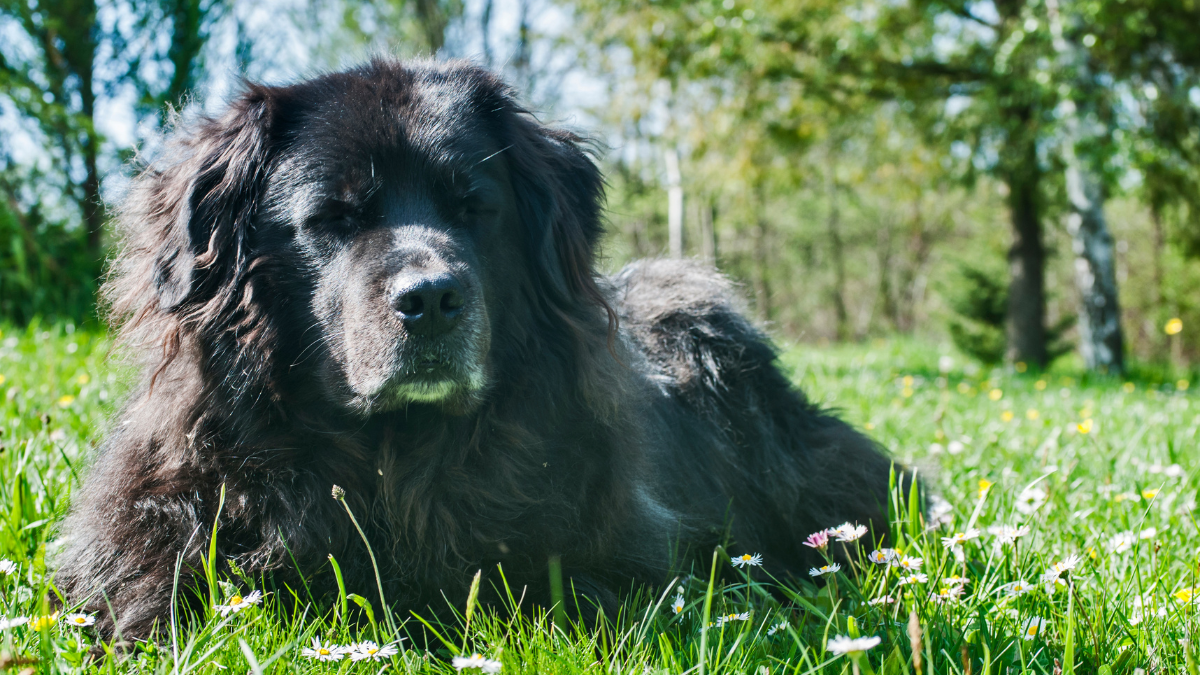
With a massive build, thick double coat, and wonderfully expressive eyes, the Newfoundland is a dog whose physical presence can be impossible to overlook.
But beneath that impressive appearance is a breed celebrated for patience, affection, and a natural willingness to work alongside people.
Originally developed in Newfoundland, Canada, these powerful dogs assisted fishermen, hauled equipment, and became renowned for their abilities in water rescue.
Today, their working heritage remains an important part of their identity, even when their primary role is being a beloved family companion.
They are strong enough for demanding work.
Gentle enough to seek quiet companionship.
And devoted enough to make their presence felt without demanding attention.
For families prepared for their extraordinary size and care needs, the Newfoundland can be a deeply rewarding companion.
1. A Working Heritage From Canada’s Atlantic Coast
The Newfoundland breed developed on the island of Newfoundland, where dogs worked alongside fishermen and coastal communities.
Life in this environment demanded strength, endurance, and the ability to navigate challenging weather and water conditions.
Newfoundlands were valued for their versatility.
Their traditional responsibilities included:
- Helping haul fishing nets
- Retrieving objects from the water
- Pulling carts and equipment
- Assisting with demanding coastal work
- Helping people in water emergencies
Their powerful bodies, webbed feet, water-resistant coats, and strong swimming abilities made them particularly suited to aquatic tasks.
Over time, the Newfoundland became widely associated with water rescue.
Stories of Newfoundlands helping people in dangerous waters contributed to the breed’s reputation as a courageous and dependable working companion.
However, swimming and rescue abilities still require appropriate conditioning, training, and supervision.
Not every Newfoundland is automatically a confident swimmer or trained rescue dog.
Their history is remarkable.
But responsible care means recognizing the individual dog behind the breed’s reputation.
2. Temperament: Gentle, Patient, and Affectionate
Newfoundlands are often described as:
- Gentle and affectionate
- Patient and composed
- Loyal to their families
- Intelligent and responsive
- Social and people-oriented
- Calm when their needs are met
Their famously sweet temperament is one of the breed’s most appreciated qualities.
Many Newfoundlands enjoy being close to family members and participating in everyday household activities.
They may be content resting near their people after a walk, watching family life unfold, or enjoying gentle interaction.
Because of their patient nature, Newfoundlands are often associated with family companionship.
However, their size makes supervision especially important around young children.
Even a friendly Newfoundland can accidentally knock someone over simply by turning, leaning, or moving through a crowded space.
Children should also learn to respect the dog’s resting areas and personal boundaries.
A gentle temperament is a wonderful quality.
But it should always be supported by training, supervision, and thoughtful interactions.
3. Exercise and Mental Stimulation Needs
Despite their enormous size, Newfoundlands are generally not as relentlessly energetic as some sporting or herding breeds.
Most healthy adults benefit from consistent, moderate exercise rather than prolonged high-intensity activity.
Appropriate activities may include:
- Daily walks
- Supervised swimming
- Gentle retrieving games
- Scent-based enrichment
- Interactive puzzle toys
- Short training sessions
- Controlled outdoor exploration
Swimming can be particularly enjoyable for Newfoundlands that are comfortable in the water.
The buoyancy of water may also provide an alternative form of movement for some dogs, although swimming should always be appropriate for their health and conditioning.
Water activities require supervision, safe entry and exit points, and awareness of currents, water quality, and weather conditions.
Because Newfoundlands are giant dogs, puppies should not be pushed into excessive exercise while their bones and joints are developing.
Their exercise routine should grow gradually with age and physical maturity.
Mental stimulation is equally valuable.
A Newfoundland may enjoy learning a new skill, solving a food puzzle, or practicing gentle obedience exercises.
Their size may be extraordinary.
But their daily needs are often best supported by simple, consistent routines.
4. Grooming That Thick, Water-Resistant Coat
The Newfoundland has a dense double coat designed to provide insulation and protection in challenging conditions.
The outer coat is relatively coarse and water-resistant, while the undercoat provides additional insulation.
This coat requires consistent maintenance.
Newfoundlands shed throughout the year, with heavier shedding often occurring during seasonal coat changes.
Routine grooming may include:
- Thorough brushing several times each week
- More frequent brushing during heavy shedding
- Checking for tangles and mats
- Bathing when needed
- Thorough drying after bathing or swimming
- Regular nail trimming
- Ear checks
- Dental care
Pay particular attention to areas where mats may develop, including behind the ears, around the legs, and beneath the collar.
Because of the breed’s thick coat and large body, grooming sessions can take considerable time.
Starting grooming routines during puppyhood helps build comfort with brushing, handling, and standing calmly.
Newfoundlands are also known for drooling.
Some individuals drool considerably, especially after drinking, eating, or becoming excited.
Families should be prepared for regular cleaning around the mouth and household.
Their coat is beautiful.
But maintaining it requires commitment.
5. Training and Socialization
Newfoundlands are generally intelligent dogs that respond well to patient, positive training.
Their gentle personality can make them enjoyable learners, but their enormous adult size means early training is especially important.
A small puppy pulling on a leash may seem manageable.
A fully grown Newfoundland doing the same thing can become a serious safety concern.
Training should begin early and emphasize:
- Positive reinforcement
- Loose-leash walking
- Reliable recall
- Calm greetings
- Appropriate household manners
- Comfortable grooming and handling
- Early socialization
- Impulse control
Newfoundlands should learn how to move calmly around people, particularly children and older adults.
Teaching a reliable sit, stay, and settle can help manage their size in everyday situations.
Socialization should involve positive exposure to different environments, sounds, surfaces, people, and animals.
Because some Newfoundlands may be sensitive to harsh corrections, gentle consistency is generally more productive than force.
The goal is not to overpower a giant dog.
It is to build cooperation before that dog reaches its full size.
6. Health and Wellness Considerations
As a giant breed, the Newfoundland has important health considerations that families should understand.
Their size places significant demands on their joints, cardiovascular system, and overall physical condition.
Potential health concerns include:
- Hip dysplasia
- Elbow dysplasia
- Certain inherited heart conditions, including subaortic stenosis
- Cystinuria, an inherited condition that can contribute to urinary stones
- Gastric dilatation-volvulus, commonly called bloat
- Orthopedic and mobility concerns
Responsible breeders should be willing to discuss recommended health screening and the health history of their breeding dogs.
Because Newfoundlands are deep-chested, families should understand the warning signs of bloat, a potentially life-threatening emergency requiring immediate veterinary attention.
Everyday wellness should include:
- Routine veterinary examinations
- Balanced nutrition formulated for the dog’s life stage
- Healthy weight management
- Appropriate exercise and conditioning
- Joint and mobility monitoring
- Dental care
- Regular skin and coat checks
Giant-breed puppies have particular nutritional requirements because rapid growth can affect skeletal development.
Families should work with a veterinarian to select an appropriate diet and feeding routine.
Newfoundlands can also be vulnerable to overheating, especially in warm or humid conditions.
Provide access to shade, fresh water, cool resting spaces, and appropriately timed exercise.
Their thick coat and substantial body mass make heat management especially important.
A Newfoundland’s strength is impressive.
But protecting that strength begins with preventive care.
7. Is a Newfoundland the Right Fit?
A Newfoundland may thrive in a home that:
- Appreciates a gentle, affectionate giant breed
- Can comfortably accommodate a very large dog
- Is prepared for substantial grooming and shedding
- Can manage drooling and regular household cleaning
- Has time for consistent training and companionship
- Can provide appropriate exercise and temperature management
- Is financially prepared for giant-breed veterinary care, food, and equipment
Newfoundlands can be wonderful family companions, but their size creates practical responsibilities.
Everything from food portions and grooming appointments to transportation and veterinary treatment may require additional planning.
Families should also consider whether their living environment can accommodate a giant dog comfortably.
Stairs, slippery flooring, limited space, and prolonged exposure to heat may create challenges.
Their affectionate temperament should never be the only factor in choosing the breed.
A Newfoundland needs a home that can support both its gentle personality and its substantial physical needs.
For families prepared for that commitment, the relationship can be extraordinary.
Gentle Tools That Can Help
- Supportive Orthopedic Dog Bed – Provides a comfortable resting surface for a giant dog, with appropriate space and support for its body.
- Durable Interactive Puzzle Toy – Offers mental enrichment and gentle problem-solving activities during indoor rest periods.
Internal Resources
- Daily Pet Care Checklist: Simple Routines to Support Your Pet’s Health and Happiness – Simple routines for keeping everyday wellness needs organized through seasonal changes.
Seasonal Shop Support
Thoughtful care begins with understanding what your dog needs to thrive.
Explore our collection of pet care guides and supportive tools designed to help families build balanced routines for grooming, enrichment, and everyday wellness.
Use code NEWFOUNDLAND26 at checkout.
Valid through November 31, 2026.
Visit our Shop here
A Gentle Reflection
The Newfoundland reminds us that strength and gentleness can exist beautifully together.
A dog once trusted to work in difficult waters can also find happiness resting quietly beside the people it loves.
Their size may command attention.
Their history may inspire admiration.
But their everyday devotion is often what families remember most.
The patient presence beside the sofa.
The gentle expression waiting at the door.
The quiet companionship that asks for little more than belonging.
They may be giants.
But sometimes, their greatest gift is simply making the world feel a little softer.
Join our email list for steady guidance and seasonal support throughout the year.
Frequently Asked Questions
Are Newfoundlands good family dogs?
Newfoundlands are generally known for their gentle, affectionate, and patient temperaments. They can be wonderful family companions when properly trained and socialized. However, their enormous size means interactions with young children should always be supervised.
Do Newfoundland dogs need a lot of exercise?
Most healthy adult Newfoundlands benefit from consistent moderate exercise, including walks, gentle play, and appropriate swimming activities. Exercise should be adjusted for age, health, conditioning, and weather.
Do Newfoundland dogs shed a lot?
Yes. Newfoundlands have thick double coats and shed throughout the year, often with heavier seasonal shedding. Regular brushing and grooming are essential for managing loose fur and preventing mats.
Are Newfoundland dogs good swimmers?
Many Newfoundlands have strong natural swimming abilities and a history of water work. However, individual confidence and ability vary. Swimming should always be supervised, and dogs should be introduced to water safely without being forced.
Disclaimer
This post is for informational purposes only and is not a substitute for professional veterinary, behavioral, nutritional, or grooming advice. Please consult qualified professionals regarding your dog’s individual health, exercise, nutrition, grooming, and breed-specific care needs.
Affiliate Disclosure
Some links in this post may be affiliate links, which means we may earn a small commission if you make a purchase, at no additional cost to you. We only recommend products and resources that align with our commitment to thoughtful, compassionate pet care.