
When the weather turns colder, caring for our pets often begins with small observations.
Your dog may start seeking warmer places to rest. Your cat might spend more time curled up near a sunny window. A familiar morning walk may feel less comfortable when the air becomes chilly.
As pet parents, we naturally respond to these changes.
We reach for an extra blanket, dry damp paws after outdoor adventures, or adjust daily activities to help our companions stay comfortable.
These thoughtful habits are an important part of everyday pet care.
But seasonal wellness becomes even more meaningful when we combine what we observe at home with guidance from veterinary professionals.
This is the heart of an integrative approach to pet wellness.
It doesn’t mean choosing between home comforts and professional care.
Instead, it means recognizing how practical routines, thoughtful observation, and evidence-informed veterinary recommendations can work together to support your pet’s wellbeing.
From warmth and mobility to hydration and nutrition, here are six gentle ways to care for your companion as colder days arrive.
Cold weather can affect pets differently depending on their age, coat type, size, and overall health. Supporting seasonal wellness means maintaining comfortable resting spaces, protecting paws during outdoor activities, encouraging appropriate movement, monitoring hydration, and watching for changes in mobility or behavior. Combining practical home-care habits with veterinary guidance helps pet parents make informed decisions about supplements, nutrition, and health concerns. A personalized cold-weather care plan can support comfort and wellbeing throughout the season.
1. Understand How Cold Weather Affects Your Pet’s Body
Not every pet experiences colder weather in the same way.
A healthy dog with a thick coat may tolerate cool temperatures differently from a small, short-coated companion.
Senior pets, puppies, kittens, and animals with certain health conditions may also need additional protection.
Cold temperatures can influence comfort, mobility, and activity levels.
Some pets may become reluctant to stay outdoors for long periods.
Others may show increased stiffness after resting, particularly if they have existing joint conditions.
Indoor environments can change too.
Heated rooms may have lower humidity, which can contribute to dry skin or discomfort in some animals.
The goal isn’t to assume every seasonal change is a health problem.
It’s to recognize when your pet’s environment may need adjustment.
Try this gentle adjustment: Observe how your pet responds to cooler temperatures during walks, rest periods, and everyday activities.
Pay attention to shivering, reluctance to move, repeated paw lifting, or unusual discomfort.
These observations can help you determine when additional protection or veterinary guidance may be needed.
2. Create Simple Warmth and Comfort Practices at Home
Keeping your pet comfortable during colder months often begins with the basics.
A warm resting space, dry bedding, and appropriate outdoor protection can make everyday routines more manageable.
Start by checking your pet’s favorite sleeping areas.
Are they near drafty doors or windows?
Does the floor feel cold?
Can your pet move comfortably into and out of their bed?
Small changes may help.
Consider:
- Moving bedding away from drafts
- Providing soft, dry blankets
- Drying paws and underbellies after wet walks
- Using properly fitted coats for pets who need extra protection
- Keeping indoor resting spaces comfortably warm
- Monitoring humidity in heated rooms
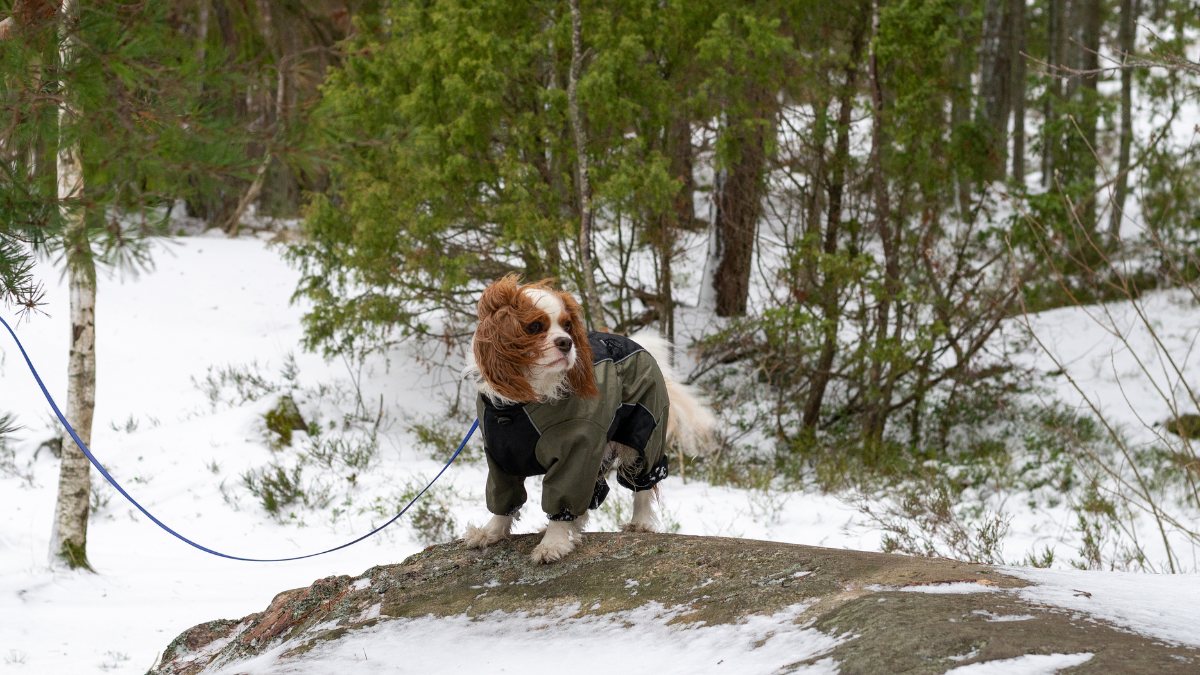
For small, short-coated, or senior dogs, a comfortable coat or sweater may provide useful protection during chilly outings.
Choose clothing that allows natural movement and doesn’t interfere with breathing or bathroom breaks.
If indoor air becomes unusually dry, a properly maintained humidifier may help improve household comfort.
Try this gentle adjustment: Choose one resting area your pet uses frequently and make sure it remains warm, dry, and comfortable throughout the day.
A familiar space with a little extra protection can be more helpful than an elaborate seasonal setup.
3. Support Joints and Mobility With Gentle Adjustments
Cold weather can make existing mobility challenges more noticeable in some pets.
A dog with arthritis may take longer to become comfortable during a morning walk.
An older cat might hesitate before jumping onto a favorite resting place.
While these changes may seem small, they deserve attention.
Appropriate movement can help support muscle strength and joint function, but activity should match your pet’s health and comfort.
Consider practical adjustments such as:
- Allowing a gentle indoor warm-up before outdoor activities
- Choosing shorter, comfortable walks
- Providing non-slip surfaces on smooth floors
- Using ramps or steps where appropriate
- Keeping frequently used resting areas easy to access
- Avoiding activities that cause visible discomfort
Some pet parents also explore nutritional supplements for joint support.
However, supplements vary in formulation, quality, and available evidence.
Omega-3 fatty acids are among the ingredients studied for certain joint conditions, but appropriate use depends on the individual pet.
Try this gentle adjustment: Observe how your pet moves after resting and during everyday activities.
If you notice persistent stiffness, limping, or reluctance to move, discuss these changes with your veterinarian before introducing supplements or new treatments.
Supporting mobility works best when home adjustments complement an appropriate veterinary care plan.
4. Maintain Healthy Nutrition and Hydration Habits
Nutrition and hydration remain important throughout the year.
During colder months, changes in activity, household temperature, and daily routines may influence how much food or water a pet needs.
However, most healthy companion pets don’t automatically require a major dietary change simply because the weather becomes cooler.
Instead, focus on maintaining balanced meals and consistent access to fresh water.
A few simple habits may help:
- Refresh water bowls regularly.
- Keep drinking areas easy to access.
- Clean food and water bowls frequently.
- Monitor changes in appetite and thirst.
- Maintain appropriate feeding portions.
- Ask your veterinarian before making significant dietary changes.
For pets who enjoy moist food, adding a small amount of plain water to an appropriate meal may help increase moisture intake.
Use water at a safe temperature and avoid adding broths or flavorings containing ingredients harmful to pets.
Animals spending significant time outdoors in cold conditions may have different energy requirements.
These needs should be evaluated individually.
Try this gentle adjustment: Monitor your pet’s usual eating and drinking habits throughout the season.
If you notice a meaningful or persistent change, contact your veterinarian rather than assuming the weather is responsible.
Good seasonal nutrition begins with understanding your pet’s individual needs.
5. Know When Home Care Needs Veterinary Guidance
Home-care routines can support comfort, but they cannot replace professional medical assessment.
Some symptoms that appear during colder months may be related to underlying health conditions rather than the weather itself.
Contact your veterinarian if your pet develops:
- Limping or persistent stiffness
- Difficulty standing or walking
- Unusual coughing
- Changes in breathing
- Significant changes in appetite
- Increased or decreased water intake
- Persistent lethargy
- Signs of pain or discomfort
Breathing difficulty, collapse, severe weakness, or suspected hypothermia require urgent veterinary attention.
It’s also important to seek professional advice before introducing supplements, herbal remedies, essential oils, or other products intended to affect your pet’s health.
Some ingredients may be unsafe for dogs or cats, interact with medications, or be inappropriate for animals with existing conditions.
Your observations at home can make veterinary conversations more productive.
Try this gentle adjustment: Keep a short record of symptoms, activity changes, and questions before your next appointment.
Instead of guessing which remedy might help, bring your observations to someone who can evaluate your pet’s individual health needs.
6. Build a Cold-Weather Care Plan That Fits Your Pet
There is no single seasonal wellness routine that works for every dog or cat.
A senior pet with mobility challenges may need a different approach from a young, active companion.
A short-coated dog may require additional outdoor protection, while a long-coated cat living indoors may have very different needs.
The most helpful plan begins with your pet’s age, health, environment, and preferences.
Start with five essential areas:
- Warmth: Is your pet’s resting environment comfortable?
- Paw Care: Are their paws protected and cleaned after outdoor activities?
- Movement: Are daily activities appropriate for their mobility?
- Hydration: Are they drinking normally and accessing fresh water?
- Observation: Are you noticing and recording meaningful changes?
Then discuss any additional health concerns with your veterinarian.
You don’t need an elaborate system.
A short checklist or simple weekly care tracker may be enough.
Try this gentle adjustment: Create a personalized cold-weather care list using the five essentials above.
Keep it somewhere visible and review it as the season changes.
The goal is a practical routine you can maintain, supported by professional guidance when needed.
Your Cold-Weather Pet Wellness Checklist
Warmth and Home Comfort
- Keep resting spaces away from cold drafts.
- Provide clean, dry, comfortable bedding.
- Check that your pet can access favorite resting areas.
- Use properly fitted protective clothing when appropriate.
- Monitor indoor temperature and humidity.
- Avoid unsafe heating devices or direct exposure to hot surfaces.
Outdoor and Paw Care
- Check outdoor conditions before walks.
- Adjust activity duration to your pet’s comfort.
- Dry paws and underbellies after wet outings.
- Remove road salt or other irritants from paws.
- Watch for cracked pads or signs of discomfort.
- Use pet-appropriate paw protection when needed.
Joint and Mobility Support
- Observe movement after resting.
- Allow gentle warm-up activities.
- Provide traction on slippery floors.
- Consider ramps or steps for difficult areas.
- Avoid forcing uncomfortable activities.
- Discuss persistent stiffness or limping with your veterinarian.
Nutrition and Hydration
- Maintain balanced, appropriate meals.
- Provide fresh water throughout the day.
- Clean drinking bowls regularly.
- Monitor appetite and water intake.
- Avoid unnecessary dietary changes.
- Ask your veterinarian before introducing supplements.
Veterinary Wellness
- Track changes in mobility, behavior, and energy.
- Record questions before veterinary appointments.
- Follow existing treatment plans.
- Discuss supplements and alternative products before use.
- Seek professional guidance for persistent symptoms.
- Keep emergency veterinary contact information accessible.
A few consistent habits can help you support your pet’s comfort without making seasonal care overwhelming.
Gentle Tools That Can Help
- Protective Paw Balm – Pet-safe paw balms may help protect or moisturize dry paw pads. Clean and dry paws after walks, particularly when exposed to road salt or other irritants. Choose products formulated for pets and follow the manufacturer’s directions.
- Compact Room Humidifier – A properly maintained humidifier may help improve comfort in homes with very dry indoor air. Keep the device clean, avoid adding essential oils or fragrances, and position it where pets cannot access hot water, cords, or other hazards.
Internal Resources
- Nutrition for Your Dog Made Simple – A free digital guide featuring practical, species-appropriate nutrition information to support healthy feeding habits and everyday wellness.
- Nutrition for Your Cat Made Simple – A free digital guide designed to help cat parents better understand feline nutrition, hydration, and feeding considerations.
Seasonal Shop Support
Thoughtful cold-weather care begins with understanding your pet’s needs and creating supportive everyday routines.
To help make seasonal pet parenting a little easier, we’re offering $3 off any of our digital guides or supportive tools in the shop.
Voucher Code: COZYPAWNOV26
Discount: $3 off
Valid Through: November 30, 2026
Explore our shop for practical resources to support your companion’s comfort, wellness, and everyday care.
Gentle Reflection
Caring for your pet doesn’t mean having every answer.
Sometimes it begins with noticing something small.
The way your dog moves a little more slowly on cold mornings.
The sunny spot your cat chooses every afternoon.
The extra comfort a familiar blanket seems to provide.
These observations matter.
They help you understand what your pet enjoys, what may be changing, and where additional support could make a difference.
But thoughtful care also means knowing when to ask for guidance.
Your observations and your veterinarian’s expertise don’t need to compete.
Together, they can help create a clearer picture of your pet’s needs.
As the colder months arrive, remember that meaningful wellness care doesn’t have to be complicated.
It can begin with warmth, attention, and a willingness to keep learning.
Join our email list for more gentle pet-care reminders, senior wellness guidance, and compassionate support.
Frequently Asked Questions
1. How cold is too cold for my dog to be outside?
Cold tolerance varies depending on your dog’s size, coat type, age, health, and weather conditions.
Small, short-coated, very young, and senior dogs may need shorter outdoor activities and additional protection.
Watch for shivering, repeated paw lifting, reluctance to walk, or other signs of discomfort.
Ask your veterinarian for recommendations suited to your dog’s individual needs.
2. Are joint supplements helpful for dogs and cats?
Some ingredients, including omega-3 fatty acids, have been studied for certain joint conditions.
However, evidence varies between supplements, and products differ in quality and dosage.
Consult your veterinarian before introducing a joint supplement, especially if your pet takes medication or has an existing health condition.
3. Should I change my pet’s food during winter?
Most healthy companion pets don’t require major dietary changes simply because temperatures become cooler.
However, animals with different activity levels, medical conditions, or significant outdoor exposure may have different nutritional needs.
Maintain an appropriate diet and discuss significant changes with your veterinarian.
4. When should I contact my veterinarian instead of relying on home care?
Seek veterinary guidance if your pet develops persistent limping, difficulty moving, coughing, significant appetite or thirst changes, or unusual discomfort.
Breathing difficulty, collapse, severe weakness, or suspected hypothermia require urgent care.
If you’re uncertain whether a symptom is serious, contacting your veterinary team is a sensible next step.
Disclaimer
This article is for informational purposes only and is not a substitute for professional veterinary advice.
Consult your veterinarian for personalized recommendations, particularly before introducing supplements, herbal products, or other treatments, or if your pet’s health changes.
Affiliate Disclosure
Some links in this article may be affiliate links. If you purchase through these links, The Pet Concierge may earn a small commission at no additional cost to you.
We recommend products intended to support thoughtful, compassionate pet-care routines.