
Wild Looks. Domestic Heart.
The Bengal cat is one of the most visually striking domestic breeds.
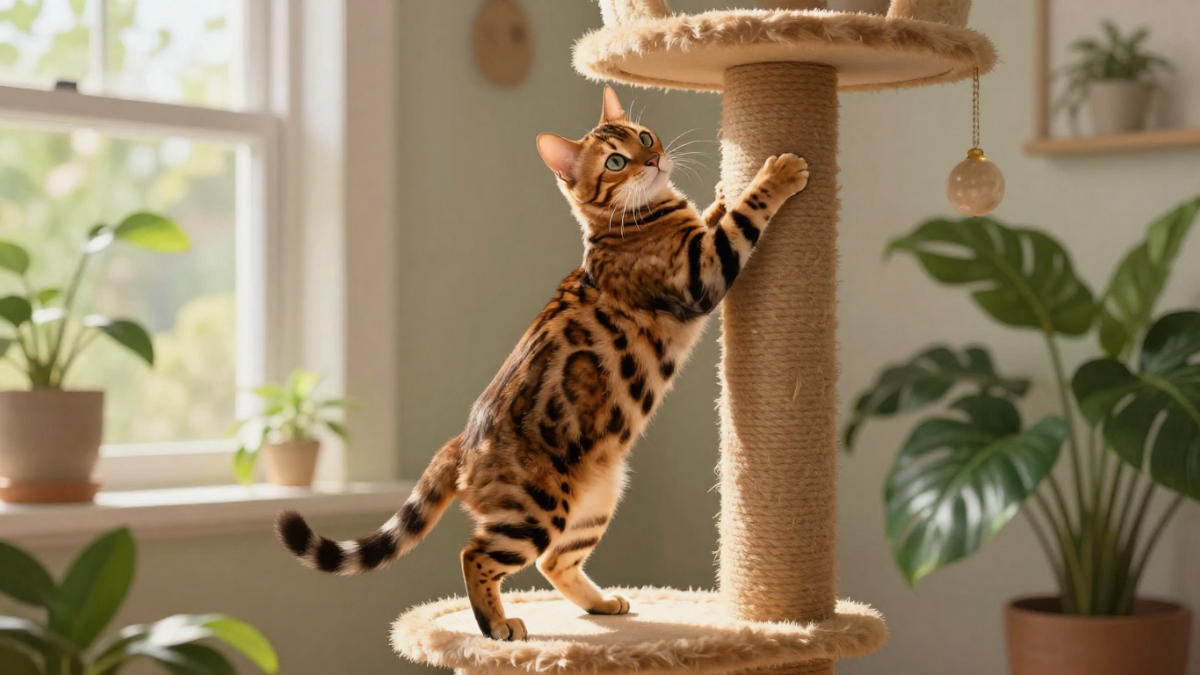
With its leopard-like rosettes and muscular frame, the Bengal carries an unmistakable presence. Developed by crossing domestic cats with the Asian Leopard Cat, the breed was intentionally shaped to retain exotic beauty while maintaining a companionable temperament.
The result is extraordinary.
A cat that looks wild… but bonds deeply with their people.
1. A Unique History
The Bengal originated in the late 20th century through selective breeding programs designed to combine the spotted coat of the Asian Leopard Cat with the temperament of a domestic feline.
Responsible breeding refined their social traits while preserving the bold markings and athleticism that make the Bengal so distinctive.
Their history explains both their intelligence and their intensity.
2. Temperament: Intelligent, Curious, and Social
The Bengal cat temperament is often described as:
- Highly intelligent
- Exceptionally active
- Vocal and expressive
- Deeply interactive
They are not typically passive lap cats. Bengals crave engagement. They want to participate in daily life, investigate new spaces, and interact with their environment.
Because of their social nature, they often follow their people from room to room. They thrive on interaction and can become restless if under-stimulated.
Curiosity is not a phase. It is their wiring.
3. Exercise and Environmental Needs
Bengals require more stimulation than the average house cat.
Essential elements include:
Vertical climbing spaces
Interactive wand play
Puzzle feeders
Window perches
Safe exploration zones
Many Bengals enjoy water play, which surprises first-time owners. Without adequate outlets for energy, they may climb countertops, open cabinets, or vocalize persistently.
An enriched environment prevents frustration.
4. Grooming and Physical Care
The Bengal’s short coat is sleek and relatively low maintenance.
Weekly brushing supports skin health and reduces light shedding. Regular nail trimming and dental care remain important, particularly for such an active breed.
Their physical grooming needs are modest. Their mental stimulation needs are significant.
5. Is a Bengal Cat the Right Fit?
A Bengal may thrive in a home where:
- Cat parents are experienced
- Daily interactive play is prioritized
- Vertical territory is available
- Environmental enrichment is consistent
They may not be ideal for households seeking a quiet, low-energy companion.
The Bengal does not simply observe life from a windowsill. They participate.
Gentle Tools That Can Help
- Tall Multi-Level Cat Tree – Provides essential vertical territory for climbing and observation.
- Interactive Wand Toy – Supports daily prey-drive play sessions and bonding.
- Puzzle Feeder – Engages problem-solving skills and slows mealtime for mental stimulation.
Internal Resources for Extra Support
- Daily Pet Care Checklist – Track enrichment sessions and activity levels to ensure balanced stimulation.
A Gentle Reflection
Living with a Bengal means embracing motion, sound, and curiosity.
They are bold explorers and loyal companions. Their energy is not chaos when guided thoughtfully. It is brilliance in motion.
Wild appearance.
Domestic devotion.
For the right home, the Bengal is an extraordinary presence.
Frequently Asked Questions
Q1: Are Bengal cats good with children?
When properly socialized and given adequate stimulation, Bengals can do well with respectful children. Supervision is always recommended, as their energy can be intense.
Q2: Do Bengals get along with other pets?
Many Bengals adapt well to other cats or dogs, especially if introduced gradually. Their social nature often benefits from companionship.
Q3: How much playtime does a Bengal need daily?
Most require at least 30–60 minutes of structured interactive play daily, along with ongoing environmental enrichment.
Disclaimer
This post is for informational purposes only and is not a substitute for professional veterinary or behavioral advice. Consult a qualified professional when making decisions about your cat’s health or care.
Affiliate Disclosure
Some links in this post may be affiliate links, which means we may earn a small commission if you make a purchase. We only share products we trust to support thoughtful, relationship-centered care.