
Spring pet care begins with observation.
As the earth wakes in March, subtle changes begin to appear in your pet’s energy, shedding patterns, appetite, and curiosity. The shift from winter’s quiet stillness to spring’s brightness can feel invigorating… and sometimes overwhelming.
Supporting seasonal pet wellness does not require dramatic changes. It asks us to notice, adjust gently, and move at our pet’s pace.
There is no rush.
Just rhythm.
1. Observing Energy and Vitality Shifts
As daylight lingers longer, many pets experience a natural surge in energy. You may notice your dog requesting longer walks or your cat becoming more active near windows.
Rather than increasing activity abruptly, extend routines gradually. Add a few extra minutes of movement. Watch for signs of fatigue or overstimulation.
Energy is information. Let it guide you.
2. Supporting the Seasonal Shedding Cycle
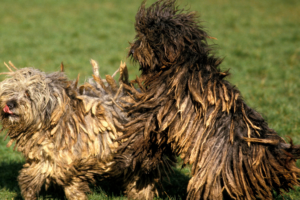
Spring is the primary season for shedding as winter layers fall away.
Instead of approaching brushing as maintenance, turn it into a calming ritual. Slow, rhythmic strokes with a soft brush can:
Remove loose fur
Stimulate circulation
Soothe sensitive skin
Strengthen your bond
Shedding is not simply grooming. It is a sensory reset.
3. Refreshing Indoor and Outdoor Boundaries
With windows opening and more time spent outside, safety deserves a quick seasonal review.
Check fences for winter damage.
Ensure window screens are secure.
Inspect gates and entry points.
A secure environment allows your pet to explore new scents without underlying anxiety.
Safety creates freedom.
4. Mindful Paw and Skin Protection
Spring dampness, mud, and early blooms can introduce irritants to paws and skin.
Create a gentle post-walk routine:
Rinse paws with warm water.
Pat dry with a soft cloth.
Check for redness, debris, or hitchhikers from the grass.
This small daily pause protects physical comfort while deepening trust.
5. Introducing Fresh Air Gradually
After months in a heated indoor environment, spring air can feel intense.
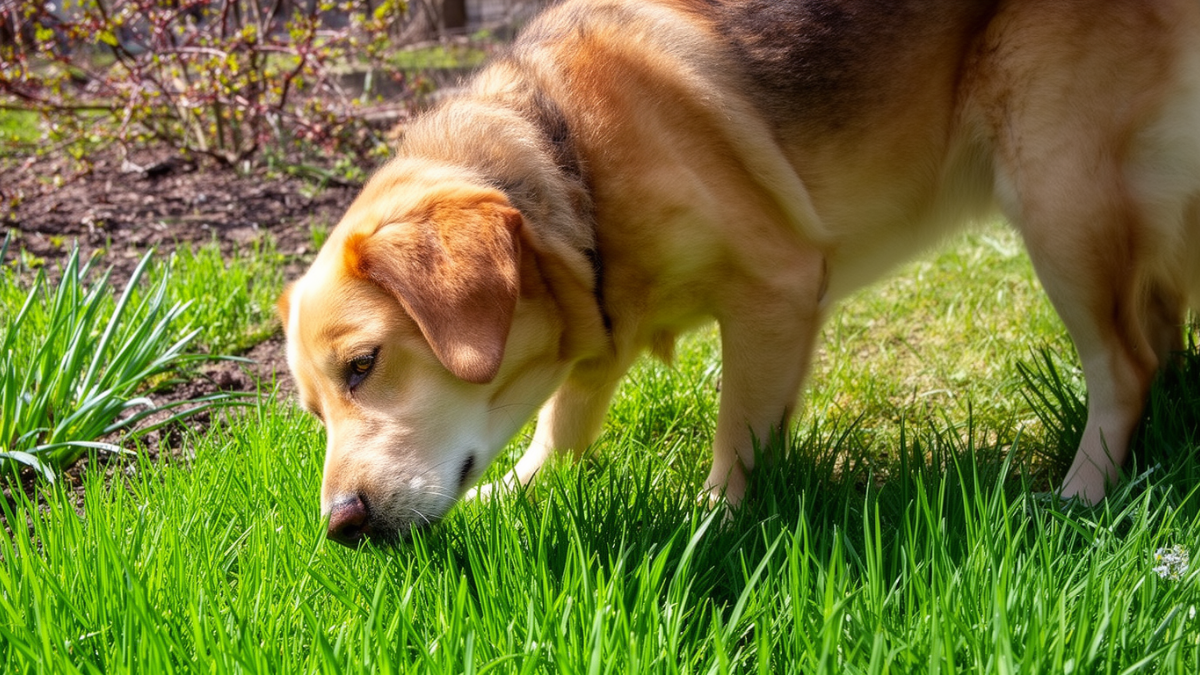
Open windows slowly. Allow your pet to sniff and process new scents. Avoid overwhelming outdoor environments at first.
Sniffing provides mental enrichment and helps regulate sensory input. Let your pet experience the season at their own pace.
6. Aligning Nutrition with Activity
As activity levels rise, hydration and caloric needs may shift.
Ensure fresh water is always available.
Consider moisture-rich meals as temperatures climb.
Adjust portions gradually if movement increases.
For significant changes, consult your veterinarian.
Spring pet care includes nourishment that supports movement and recovery.
Gentle Tools That Can Help
- Soft-Bristle Silicone Brush – A gentle grooming tool that removes loose fur while providing a soothing massage sensation.
- Organic Paw Balm – A beeswax or shea-based balm to protect paw pads from spring dampness and seasonal irritants.
- Slow-Flow Water Fountain – Encourages hydration through moving water, mimicking natural spring sources.
Internal Resources for Extra Support
- Daily Pet Care Checklist – A simple guide to help you track small, daily wellness habits through seasonal transitions.
Seasonal Shop Special
To support thoughtful spring routines, we are offering a $3 voucher for any digital guide or supportive tool in our shop.
Use code RENEW26 at checkout.
Valid through March 31, 2026.
Visit our Shop here
A Gentle Reflection
Caring for your pet is an act of love that creates calm and trust.
Spring reminds us that change does not need to be dramatic to be meaningful. Small adjustments. Steady presence. Soft observation.
You already care deeply.
Join our email list for gentle reminders, care tips, and comforting stories all year.
Frequently Asked Questions (FAQ)
Q1: How can I tell if my pet is overwhelmed by the change in season?
Look for signs such as excessive panting, hiding, appetite changes, or hesitation to go outside. Slow the transition and consult your veterinarian if symptoms persist.
Q2: Is spring shedding different for indoor pets?
Indoor pets often shed year-round due to artificial lighting, but they still experience a noticeable peak in spring. Consistent, gentle brushing helps manage the volume comfortably.
Q3: Are early spring flowers safe for my pet?
Many common spring bulbs, such as tulips and daffodils are toxic if ingested. Supervise outdoor time and keep potentially harmful plants out of reach.
Disclaimer
This post is for informational purposes only and is not a substitute for veterinary advice. Please consult your veterinarian for personalized recommendations, especially if your pet’s anxiety or physical symptoms are severe or worsening.
Affiliate Disclosure
Some links in this post may be affiliate links, which means we may earn a small commission if you make a purchase. We only share products we trust to support gentle, thoughtful care routines.