
An Elegant Athlete With a Tender Heart
The Vizsla breed is known for devotion as much as drive.
Originating in Hungary as a versatile hunting companion, the Vizsla was bred to work closely with its handler in the field. That closeness remains today. Often called the “Velcro dog,” this breed forms intense bonds and prefers to stay within arm’s reach of their people.
They are athletic, intelligent, and emotionally sensitive. For the right home, the connection feels seamless and deeply rewarding.
This is not just a sporting dog.
It is a relationship-centered companion.
1. A Brief History of the Hungarian Vizsla
The Vizsla’s roots trace back centuries in Hungary, where they were developed as multipurpose gundogs capable of pointing and retrieving across varied terrain.
Unlike more independent hunting breeds, Vizslas were intentionally bred to maintain close contact with their handlers. This heritage explains their modern temperament: attentive, loyal, and deeply connected.
Their history is one of partnership.
2. Temperament: Sensitive, Devoted, and Alert
The Vizsla temperament is marked by:
- Strong attachment to family
- High intelligence
- Emotional sensitivity
- Eagerness to please
They respond best to calm, consistent guidance. Harsh corrections can diminish their confidence. Positive reinforcement and trust-based training build resilience and responsiveness.
Because of their attachment style, they may struggle if left alone for extended hours. They thrive in homes where they are included in daily life.
Bonding before behavior matters greatly with this breed.
3. Exercise and Mental Stimulation Needs
Vizslas are high-energy dogs who require both physical and mental outlets.
Ideal daily enrichment includes:
Long walks or trail hikes
Structured play sessions
Scent games
Agility or obedience training
Without sufficient stimulation, they may become restless or develop destructive habits. Movement supports emotional balance and behavioral stability.
An active home is essential.
4. Grooming and Physical Care
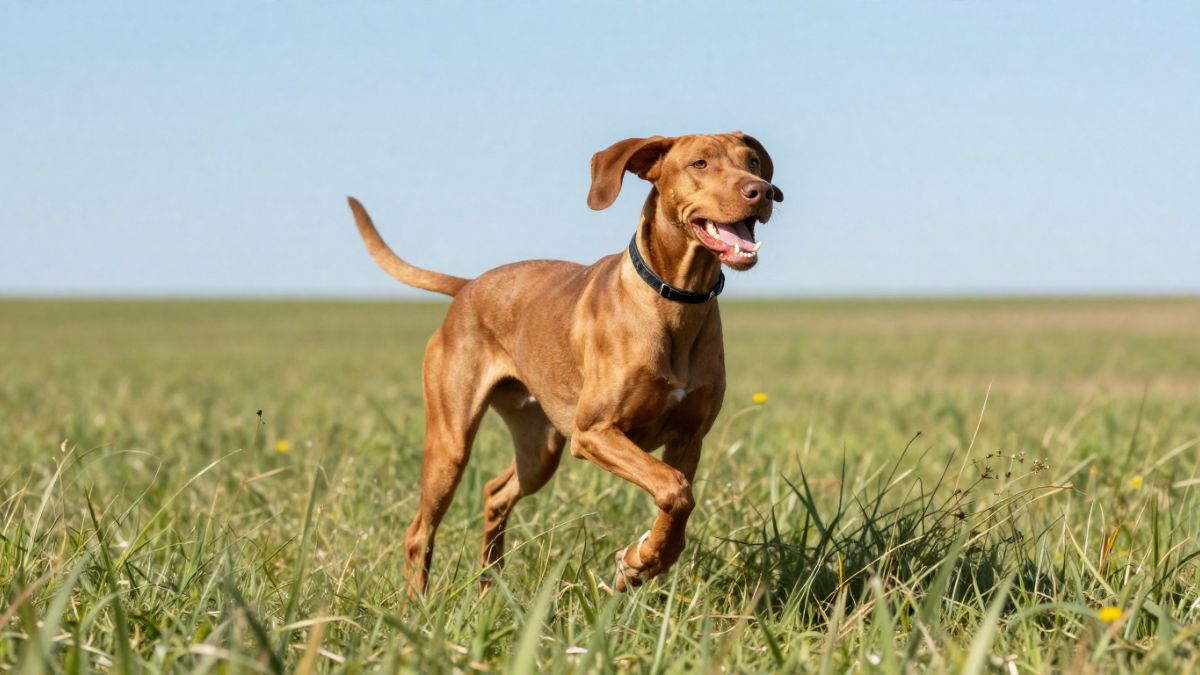
The Vizsla’s short, rust-colored coat is relatively low maintenance.
Weekly brushing helps manage light shedding and promotes skin health. Routine ear checks and nail trimming remain important, particularly for an athletic breed.
Their physical care is straightforward. Their emotional care requires presence.
5. Is a Vizsla the Right Fit for Your Lifestyle?
This breed may be a strong match if:
- You lead an active lifestyle
- You enjoy outdoor adventures
- You work from home or include your dog in daily routines
- You value a highly affectionate companion
They may not be ideal if:
- You are frequently away for long hours
- You prefer a more independent breed
- Your schedule is primarily sedentary
The Vizsla does not simply share your space. They share your rhythm.
Gentle Tools That Can Help
- Long Training Lead – Allows safe exploration while reinforcing recall and connection.
- Durable Fetch Toy – Supports high-energy play sessions that channel athletic drive.
- Orthopedic Dog Bed – Provides joint support after active days, especially as the breed matures.
Internal Resources for Extra Support
- Daily Pet Care Checklist – Track exercise, enrichment, and bonding routines to ensure balanced care.
- 5 Simple Upgrades for a Healthier, Happier Pet Home -A calm and practical guide with five simple ways to support your pet’s wellness, strengthen your bond, and create more peace at home, one small upgrade at a time.
A Gentle Reflection
Living with a Vizsla means embracing both motion and closeness.
They will run beside you with stamina and curl beside you with equal devotion. Their needs are not complicated, but they are significant.
Time.
Movement.
Presence.
For the right home, the bond is extraordinary.
Frequently Asked Questions
Q1: Are Vizslas good family dogs?
Yes, when properly exercised and trained, Vizslas are affectionate and gentle with family members. Their high energy makes supervision important with small children.
Q2: Do Vizslas experience separation anxiety?
They can. Their strong attachment to their people means gradual independence training and consistent routines are essential.
Q3: How much exercise does a Vizsla need daily?
Most require at least one to two hours of combined physical and mental activity to remain balanced and content.
Disclaimer
This post is for informational purposes only and is not a substitute for professional veterinary or behavioral advice. Please consult a qualified professional when making decisions about your dog’s health or training needs.
Affiliate Disclosure
Some links in this post may be affiliate links, which means we may earn a small commission if you make a purchase. We only share products we trust to support thoughtful, relationship-centered care.