

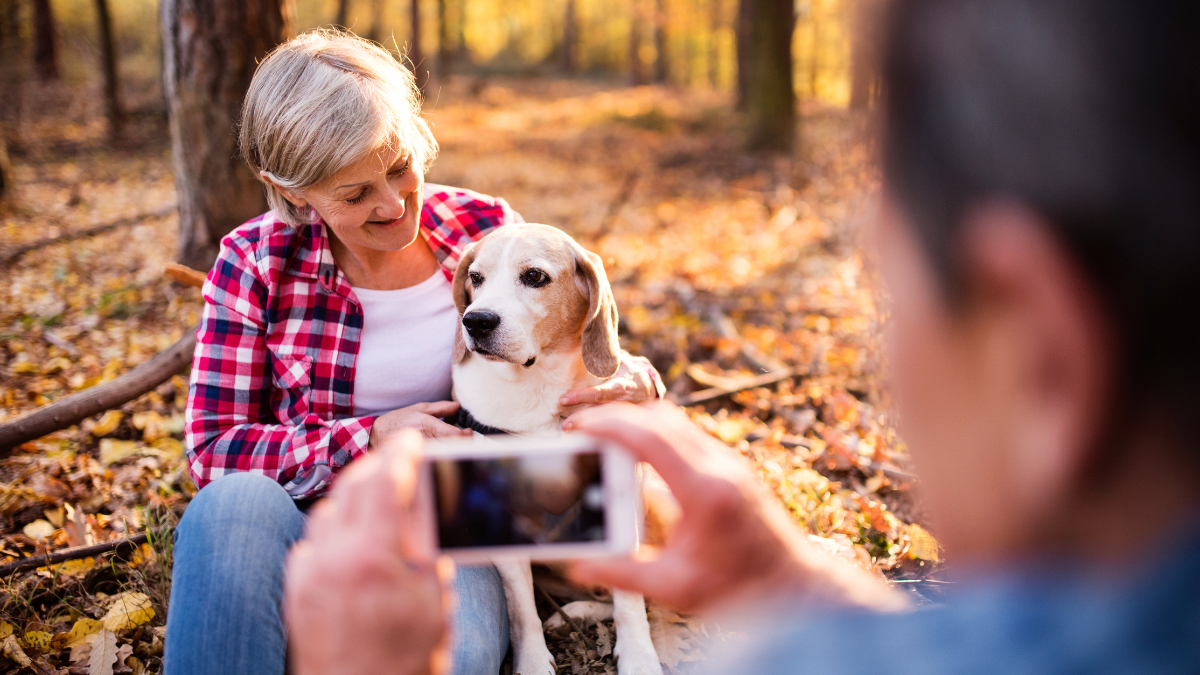
There is a special kind of love that grows as our pets get older.
It shows up in the little things.
The way we notice their slower steps in the morning. The extra blanket we place on their favorite bed. The patience we offer when a familiar walk takes a little longer than it used to.
November is Adopt a Senior Pet Month, a meaningful reminder of the comfort, companionship, and love older animals bring into our lives.
Colder weather can also make everyday activities more challenging for aging dogs and cats.
Stiff joints, reduced mobility, and changing energy levels can influence how senior pets move, rest, and interact with their surroundings.
But supporting an aging pet doesn’t always require major changes.
Sometimes, the most meaningful adjustments are simple: a warmer resting space, shorter walks, easier access to familiar places, and more opportunities to enjoy quiet moments together.
Caring for a senior pet is about more than responding to age-related changes.
It’s about helping them remain comfortable, connected, and supported through every season.
Here are six gentle ways to care for your aging companion as the colder months begin.
Senior dogs and cats may experience increased discomfort, stiffness, and mobility challenges during colder weather. Providing warm, draft-free resting spaces, supportive bedding, appropriate low-impact movement, accessible household arrangements, and regular wellness monitoring can help maintain comfort. Tracking changes in appetite, mobility, sleep, and behavior supports informed veterinary conversations. Gentle companionship and thoughtful care routines also help preserve the bond between aging pets and their families.
1. Understand How Colder Weather Can Affect Aging Pets
As pets age, their bodies may become less adaptable to changes in temperature and physical activity.
Some senior dogs and cats develop joint conditions, reduced muscle strength, or mobility challenges that become more noticeable during colder months.
You may observe your pet taking longer to stand after resting.
They might hesitate before climbing stairs, move more slowly during morning walks, or spend additional time searching for a comfortable place to sleep.
These changes can provide useful information about your pet’s comfort.
However, slowing down or showing stiffness should not automatically be dismissed as a normal part of aging.
Pain, arthritis, and other health conditions can affect mobility, and a veterinarian can help identify appropriate ways to manage them.
Try this gentle adjustment: Pay attention to how your pet moves after waking, during walks, and when settling into bed.
If you notice new stiffness, limping, or difficulty standing, schedule a veterinary conversation rather than waiting for the symptoms to become more severe.
2. Create Warmer, More Supportive Resting Spaces
A comfortable place to rest becomes increasingly important as pets grow older.
Senior companions may spend more time sleeping, and the surfaces they rest on can influence their comfort.
Hard floors, cold drafts, and beds that are difficult to enter may create unnecessary challenges.
Consider making a few adjustments to their usual resting area.
Move their bed away from drafty windows and doors.
Choose bedding that provides appropriate support for their body.
For pets with mobility challenges, a low-profile orthopedic bed may be easier to access than one with high sides.
Keep their sleeping area dry, clean, and comfortably warm.
If additional warmth is needed, use pet-specific warming products according to the manufacturer’s safety instructions and your veterinarian’s guidance. Avoid direct contact with heating elements, and make sure your pet can move away from the heat whenever they choose.
Try this gentle adjustment: Observe where your senior pet naturally chooses to rest.
Then make that familiar location more comfortable rather than expecting them to adjust to an entirely new sleeping area.
Sometimes the best improvement is simply making their favorite place easier to enjoy.
3. Support Gentle Movement Without Overexertion
Movement remains important for many aging pets.
Appropriate activity can help maintain muscle strength, mobility, and mental engagement.
But the type and amount of exercise may need to change as your pet gets older.
A long walk that once felt effortless may become tiring.
Instead of focusing on distance, consider shorter, more manageable activities throughout the day.
For senior dogs, this might mean:
- Shorter walks at a comfortable pace
- More frequent opportunities to move
- Familiar routes with stable walking surfaces
- Gentle sniff-focused exploration
- Avoiding slippery or uneven terrain
For senior cats, movement might include:
- Short interactive play sessions
- Low climbing surfaces
- Toys placed within easy reach
- Gentle opportunities to explore familiar spaces
Let your pet’s comfort guide the activity.
If they hesitate, limp, or appear unusually tired, stop and reassess.
Try this gentle adjustment: Replace one demanding activity with shorter sessions suited to your pet’s mobility and health.
Ask your veterinarian about an appropriate exercise plan if your pet has arthritis, heart disease, or other conditions affecting activity.
The goal is comfortable movement, not keeping up with their younger self.
4. Notice Small Changes and Keep a Simple Wellness Record
Aging often brings gradual changes.
Some happen slowly enough that they become difficult to recognize from day to day.
Your pet may begin drinking more water.
They might sleep in a different location, eat more slowly, or hesitate before jumping onto furniture.
These observations are worth recording.
A simple wellness tracker can help you identify patterns and provide useful information during veterinary appointments.
Consider monitoring:
- Appetite
- Water intake
- Energy levels
- Mobility
- Sleep patterns
- Bathroom habits
- Changes in behavior
- Signs of discomfort
You don’t need an elaborate journal.
A few brief notes each week may be enough to help you recognize meaningful changes.
Try this gentle adjustment: Choose a consistent day to review your pet’s comfort and everyday habits.
If something changes suddenly or continues getting worse, contact your veterinarian.
Thoughtful observation helps you respond to your pet’s needs without relying on memory alone.
5. Keep Connection Meaningful as Energy Levels Change
Some of the most meaningful moments with senior pets happen during ordinary, quiet activities.
A slower pace doesn’t mean your companion needs less affection or engagement.
It simply means the ways you connect may begin to change.
A dog who once loved long hikes may now enjoy sitting beside you in the afternoon sun.
A cat who used to chase toys across the room may prefer a gentle brushing session or resting nearby.
Connection can take many forms:
- Sitting together quietly
- Gentle grooming
- Offering familiar affection
- Short, comfortable play sessions
- Allowing your pet to rest near you
- Speaking softly during everyday routines
Pay attention to your pet’s preferences.
Some aging animals become more sensitive to touch, particularly if they experience joint pain or other discomfort.
Let them guide how much interaction feels good.
Try this gentle adjustment: Set aside a few minutes each day for an activity your senior pet enjoys.
It doesn’t need to involve exercise.
Sometimes simply being present is enough.
6. Honor the Bond Through Every Season
Caring for an aging pet can bring many emotions.
There is joy in the years you’ve shared.
Gratitude for the companionship they’ve offered.
And sometimes, quiet concern about the changes ahead.
These feelings can exist together.
You may find yourself paying closer attention to your pet’s comfort or wondering how to prepare for future care decisions.
Having thoughtful conversations with your veterinarian can help.
Ask about age-appropriate wellness visits, mobility support, pain management, and ways to monitor quality of life.
You may also find comfort in keeping a reflection journal or discussing your concerns with someone who understands the experience of loving an aging animal.
Preparing for future needs doesn’t mean overlooking the present.
It means creating space to make thoughtful decisions when they become necessary.
Try this gentle adjustment: Focus on one thing you can do today to make your pet more comfortable.
- A softer bed.
- A slower walk.
- A few extra minutes together.
These small acts of care are meaningful ways to honor the bond you’ve built.
Your Senior Pet Cold-Weather Comfort Checklist
Resting and Warmth
- Check sleeping areas for cold drafts.
- Provide clean, dry, supportive bedding.
- Make sure beds are easy to enter and exit.
- Keep resting spaces comfortably warm.
- Supervise pet-safe warming products when used.
- Provide a way for your pet to move away from additional heat.
Mobility and Movement
- Observe how your pet rises after resting.
- Choose comfortable, low-impact activities.
- Adjust walks to your pet’s energy and mobility.
- Provide traction on slippery floors.
- Consider ramps or steps for frequently used spaces.
- Avoid forcing movement when your pet appears uncomfortable.
Everyday Wellness
- Monitor appetite and water intake.
- Watch for changes in bathroom habits.
- Notice new stiffness or difficulty moving.
- Keep track of sleep and energy levels.
- Record changes to discuss with your veterinarian.
- Maintain recommended veterinary wellness appointments.
Comfort and Connection
- Offer gentle affection when welcomed.
- Make favorite resting areas accessible.
- Provide age-appropriate enrichment.
- Allow uninterrupted rest.
- Spend quiet time together.
- Respect your pet’s changing preferences.
Small adjustments can help make everyday life more comfortable for aging companions.
Gentle Tools That Can Help
- Orthopedic Memory Foam Pet Bed – A supportive orthopedic bed may help distribute your pet’s weight more evenly and reduce pressure on sensitive areas. Choose a low-profile design with an easy-to-clean cover and a surface your pet can access comfortably.
- Pet Steps or Gentle Ramp – Ramps and steps can help some senior pets access familiar spaces without jumping. Look for stable construction, non-slip surfaces, and an appropriate incline. Introduce the equipment gradually so your pet feels comfortable using it.
- Raised Comfort Bowls – Some pets with specific mobility or neck conditions may benefit from adjusted feeding arrangements. However, elevated bowls are not appropriate for every animal, particularly some dogs at risk of gastric dilatation-volvulus. Ask your veterinarian whether a raised feeding station is suitable for your pet.
Internal Resources
- Daily Pet Care Checklist: Simple Routines to Support Your Pet’s Health and Happiness – Simple routines for keeping everyday wellness needs organized through seasonal changes.
- 5 Simple Ways to Create a Healthier, Happier Home for Your Pet – Practical ways to create a safer and more comfortable home environment.
Seasonal Shop Support
Caring for a senior pet often means finding thoughtful ways to make everyday life a little more comfortable.
To support compassionate pet parenting this November, we’re offering $3 off any of our digital guides or supportive tools in the shop.
Voucher Code: COZYPAWNOV26
Discount: $3 off
Valid Through: November 30, 2026
Explore our shop for supportive resources designed to help you care for your companion through every life stage.
Gentle Reflection
There is something beautiful about the quieter years of companionship.
The walks may become shorter.
The naps may become longer.
And the moments you once hurried through may begin to feel more meaningful.
A familiar blanket.
A gentle brush.
A quiet afternoon together.
These aren’t small things.
They are part of the everyday love you’ve shared over the years.
Your senior pet may need a different kind of care now, but the connection you’ve built remains.
And as the colder months arrive, every thoughtful adjustment becomes another way of saying:
You are loved.
You are comfortable.
And we are still here together.
Join our email list for more gentle pet-care reminders, senior wellness guidance, and compassionate support.
Frequently Asked Questions
1. How can I tell if my senior pet is feeling cold?
Some pets seek warmer resting places, curl up tightly, shiver, or become reluctant to leave comfortable areas when temperatures drop.
Older animals may also have health conditions that make temperature regulation more difficult.
Provide a comfortable, draft-free resting space and consult your veterinarian if your pet appears persistently cold or uncomfortable.
2. Should I continue walking my senior dog during colder weather?
Many senior dogs benefit from appropriate, low-impact movement.
Shorter, more frequent walks may be more comfortable than one long outing.
However, exercise needs depend on your dog’s health, mobility, and existing medical conditions.
Consult your veterinarian if your dog develops limping, significant stiffness, or reluctance to walk.
3. What should I track as my pet gets older?
Monitor appetite, water intake, mobility, energy, sleep patterns, bathroom habits, and behavioral changes.
Keeping brief, consistent notes can help identify patterns and support more productive veterinary conversations.
4. How can I manage the emotional challenges of caring for an aging pet?
Caring for a senior companion can bring gratitude, joy, uncertainty, and anticipatory grief.
Talking with trusted friends, support communities, veterinary professionals, or a counselor can help you process these emotions.
You can also use a reflection journal to document meaningful moments and organize questions about your pet’s future care.
Disclaimer
This article is for informational purposes only and is not a substitute for professional veterinary advice.
Consult your veterinarian for personalized recommendations, particularly if your senior pet experiences changes in mobility, appetite, behavior, or comfort.
Affiliate Disclosure
Some links in this article may be affiliate links. If you purchase through these links, The Pet Concierge may earn a small commission at no additional cost to you.
We recommend products intended to support thoughtful, compassionate pet-care routines.