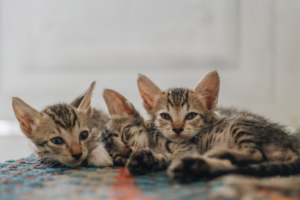


There is a unique sweetness in the golden years of a pet’s life.
Caring for senior pets involves making thoughtful adjustments that support comfort, mobility, and emotional well-being during their golden years. Aging dog care and senior cat comfort focus on joint support with orthopedic bedding and non-slip surfaces, maintaining a warm and draft-free environment, adapting exercise to gentle “sniffari” walks, and offering cognitive engagement through simple puzzles and grooming. Small dietary changes, such as softer meals or added moisture, can ease digestion, while raised bowls reduce strain on aging joints. Regular veterinary guidance helps monitor pain or cognitive changes, but consistent presence and calm routines remain one of the most powerful ways to support elderly pets. By creating a senior-friendly home and honoring their slower pace, pet parents can help aging companions feel secure, comfortable, and deeply loved.
While their pace may slow down, the depth of your connection only grows. Supporting a senior pet is about making gentle adjustments that honor their changing needs while celebrating the legacy of your time together.
1. Prioritizing Joint Comfort
As pets age, mobility can become a challenge. Providing thick, orthopedic bedding and using ramps for the couch or car can significantly reduce daily strain. It’s a simple way to say, ‘I see you, and I want you to be comfortable.’
2. Maintaining a Warm Environment
Senior pets often struggle to regulate their body temperature. Ensuring their sleeping area is away from drafts and perhaps offering a safe, pet-specific heating pad can help soothe achy joints and provide a sense of security.
3. Adapting Exercise for a Slower Pace
The ‘sniffari’ (a walk focused entirely on sniffing) is the perfect senior activity. It provides mental stimulation without the physical toll of a brisk walk. Let them lead the way and take as many pauses as they need.
4. Cognitive Support and Engagement
Just like humans, pets can experience cognitive changes as they age. Keep their mind engaged with very simple puzzles or gentle grooming sessions. This ‘brain-body’ connection helps them stay present and connected.
5. Small Dietary Adjustments
Older pets may have different digestive needs or decreased appetite. Offering smaller, more frequent meals or adding warm water to their food can make eating easier and more enjoyable for them.
6. The Power of Presence
Sometimes the best ‘care’ is simply being there. Senior pets often become more clingy or anxious. Taking ten minutes just to sit on the floor with them—no phones, no distractions—is a powerful act of love.
7. Gentle Tools That Can Help
- Orthopedic Memory Foam Bed — Provides pressure-point relief for aging joints and helps improve sleep quality.
- Non-Slip Yoga Mats or Runners — Placed on hardwood floors to give senior pets better traction and confidence when moving around the house.
- Raised Food and Water Bowls — Reduces neck and back strain during mealtimes for pets with arthritis.
8. Internal Resources for Extra Support
- Senior Pet Comfort Checklist — A comprehensive guide to auditing your home for senior-friendly adjustments. (Downloadable PDF)
- Grief & Healing Support Guide — For those navigating the emotional journey of end-of-life care and legacy. (Digital Book)
9. Seasonal Shop Special
To support calmer routines this season, we’re offering a $3 off voucher for any of our digital guides or supportive tools in the shop.
Use code FEBCARE26 at checkout
Valid through February 28, 2026
Visit our Shop here
A Gentle Reflection
Caring for your pet is an act of love that creates calm and trust.
Join our email list for gentle reminders, care tips, and comforting stories all season long..
Frequently Asked Questions (FAQ)
Q1: How do I know if my senior pet is in pain?
Look for subtle signs: reluctance to jump, panting when it’s not hot, or changes in how they settle into their bed. Your vet can help assess their comfort level.
Q2: Should I stop exercising my senior dog?
No, but you should adapt it. Short, gentle walks help maintain muscle mass which actually supports their joints.
Q3: My senior cat is meowing more at night. Is this normal?
This can sometimes be a sign of cognitive changes or vision loss. Using nightlights and keeping a consistent routine can help them feel more secure.
Disclaimer
This information is for educational purposes. If your pet’s behavior changes suddenly or drastically, please consult a professional veterinarian.
Affiliate Disclosure
This content features carefully selected tools that may earn us a commission, helping us continue to provide free care guides.