

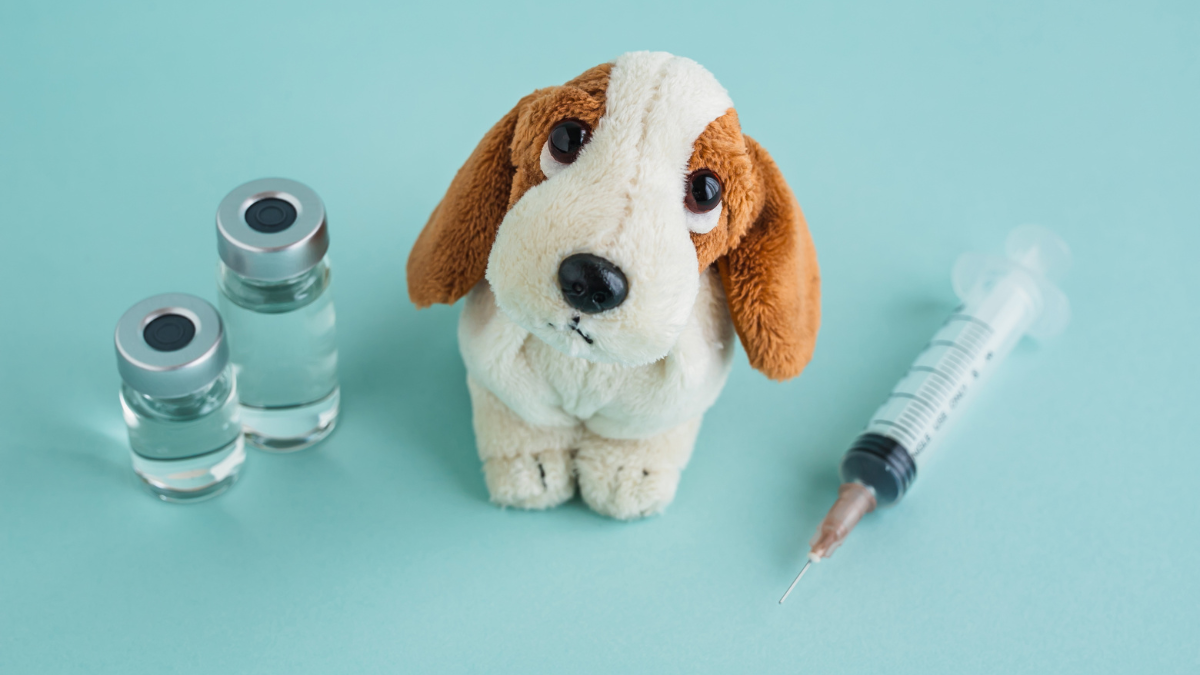
Gentle guidance on why vaccines matter, what to expect, and how to keep your pet safe
Vaccinations are one of the simplest, most effective ways to protect your pet’s health. They prevent serious diseases, reduce the spread of illness, and even save lives. With World Rabies Day on September 28, now is the perfect time to revisit vaccination schedules for dogs and cats, and understand how they support lifelong wellness.
Every pet is unique, and your veterinarian is the best guide for tailoring a vaccination plan. This post offers gentle reminders of the core vaccines most pets need, what to expect at each stage, and how to stay organized without overwhelm.
1. Why Vaccines Matter for Dogs and Cats
- Vaccines stimulate the immune system to recognize and fight diseases before they cause illness.
- Core vaccines protect against widespread and life-threatening diseases, such as rabies, distemper, and parvovirus in dogs, or panleukopenia in cats.
- Non-core vaccines may be recommended based on your pet’s environment, travel, and lifestyle (for example, Bordetella for dogs who attend daycare or FeLV for outdoor cats).
Early protection matters. Puppies and kittens are especially vulnerable, which is why their initial vaccination series is so important.
2. Typical Pet Vaccination Schedules
Puppies:
- Start at 6–8 weeks of age.
- Boosters every 3–4 weeks until at least 16 weeks old.
- Core vaccines: Distemper, Adenovirus, Parvovirus, Parainfluenza (often given together as DHPP), plus rabies.
- Lifestyle vaccines may include Bordetella, Lyme, or canine influenza.
Kittens:
- Start at 6–8 weeks of age.
- Boosters every 3–4 weeks until at least 16 weeks old.
- Core vaccines: Feline Viral Rhinotracheitis, Calicivirus, Panleukopenia (FVRCP), plus rabies.
- Lifestyle vaccines may include FeLV (feline leukemia virus), especially for kittens who may go outdoors.
Adult Dogs and Cats:
- Boosters are generally given one year after the initial puppy or kitten series.
- After that, many vaccines are updated every 1–3 years, depending on the vaccine type, your veterinarian’s guidance, and local regulations.
3. Keeping Track Without Overwhelm
Managing vaccination dates can feel complicated, especially with multiple pets. Here are a few gentle ways to stay organized:
- Ask your vet for a printed vaccination record and keep it in a safe spot.
- Use a pet health journal to track appointments, boosters, and reminders.
- Many clinics offer text or email reminders. Make sure your contact details are up to date.
If it feels helpful, we created a Daily Pet Care Checklist that includes space to note important dates like vet visits and vaccine updates. You can download your copy here.
4. Supporting Your Pet Before and After Vaccines
Most pets only experience mild side effects like temporary soreness or fatigue. To keep them comfortable:
- Offer a quiet space for rest after the appointment.
- Keep meals light and easy if they seem tired.
- Provide fresh water and reduce strenuous play for the day.
- Contact your veterinarian if you notice vomiting, swelling, hives, or persistent lethargy.
5. Gentle Tools That Can Help
Vaccinations are a moment of care, but sometimes they also bring a little stress. Having supportive tools on hand can make the process easier and more comfortable for both you and your pet:
- Pet Health Record Books or Vaccine Tag Holders – to keep vaccine records, vet notes, and emergency contacts in one place.
- Calming Carriers or Travel Crates – offering a safe, familiar space during trips to and from the vet.
- Soft Recovery Beds or Blankets – to give your pet a comfortable spot to rest after their appointment.
- Pet First-Aid Kits – helpful for peace of mind, especially if your pet experiences minor side effects or if you want to keep their care essentials in one place.
None of these replace veterinary guidance, but they can help your care routine feel steadier and less overwhelming.
6. World Rabies Day Special
With World Rabies Day on September 28, this month is a meaningful time to check in on your pet’s rabies vaccination status and overall wellness.
As a thank-you for caring so deeply for your pet’s health, we’re offering a $3 off voucher you can use on any of our digital guides or supportive resources in our shop.
Use code RABIESPAWCHECK at checkout.
Valid through September 30, 2025.
A Gentle Closing Thought
Keeping up with vaccinations is one of the clearest ways to protect the life you share with your pet. It’s not about adding pressure… It’s about creating a foundation of safety, health, and trust.
Want help staying organized? Click here to join our list and receive seasonal reminders, gentle care tips, and thoughtful tools to support your journey.
Internal Resources You Might Find Helpful
Disclaimer
This guide is for informational purposes only and is not a substitute for veterinary advice. Please consult your veterinarian for specific vaccination schedules, recommendations, and medical guidance.
Affiliate Disclosure
Some of the product links in this post may be affiliate links. That means we may receive a small commission if you make a purchase. We only recommend products we trust to support gentle, thoughtful care routines.